
How Long Does It Take to Get Used to a Lemon Vibrator (And Why the First Two Weeks Matter)
The adjustment window is real, and it's shorter than you think
Let's be real: introducing a new lemon vibrator to your body isn't instant magic. Your nervous system, your pelvic floor, and your clitoris all need a little runway to figure out what's happening. Most people feel genuinely comfortable around day 10 to 14. Some take three weeks. A small percentage dial in faster.
What matters is knowing this upfront so you don't assume something's wrong when your first session feels weird, or when day three feels less sensitive than day one. That's not broken. That's adaptation.
Days 1 to 3: The novelty and overstimulation phase
Your first experience with a lemon vibrator is probably going to feel intense. That's expected.
The lemon uses gentle air-suction technology to create a unique pattern of stimulation that's different from anything your body has likely experienced before. Unlike traditional vibrators, which create a rapid back-and-forth motion, the lemon's mechanism gently pulls and releases tissue in rhythmic cycles. Your nervous system doesn't have an existing template for this sensation.
What you might notice:
- Immediate heightened sensation. It may feel stronger than you anticipated, even on lower patterns. This is because air-suction stimulation engages nerves differently than traditional vibration.
- Quick fatigue. Your clitoris might feel sensitive or tired after just 5-10 minutes. That's completely normal. You wouldn't run a marathon on day one of exercise.
- Slight soreness. Some people report mild tenderness the next day, similar to how muscles feel after a new workout. This usually resolves within 24-48 hours.
My recommendation for days 1 to 3: Keep sessions short (under 10 minutes), use the lower patterns (1-3), and practice just getting to know the sensation without pressure to orgasm. Your goal is familiarity, not performance.
Days 4 to 10: The sensitivity dip and recalibration
Here's something that surprises most people: around day 4 or 5, sensation can actually feel less intense than day one.
This isn't because the vibrator stopped working or because you've broken your clitoris. Your nervous system is habituating to the stimulus. In the first few days, the novelty and intensity are running high. As your body acclimates, the stimulus feels less overwhelming. Simultaneously, your pelvic floor muscles relax because they're no longer bracing for something unknown.
What's happening underneath is that your tissue sensitivity is actually stabilizing and your clitoris is learning to engage with the sensation more efficiently. This is progress.
During this window:
- Patience is your tool. Continue short sessions and let yourself explore different patterns without chasing the intensity of day one.
- Lubrication matters more. As your body adjusts, a good water-based lubricant helps with comfort and allows tissue to respond more readily. It's not a sign you need extra help. It's how air-suction works best.
- Pelvic floor awareness begins. You'll start noticing the difference between clenching and relaxing your pelvic floor. Relaxation allows deeper sensation. Most people figure this out naturally by day 7 or 8.
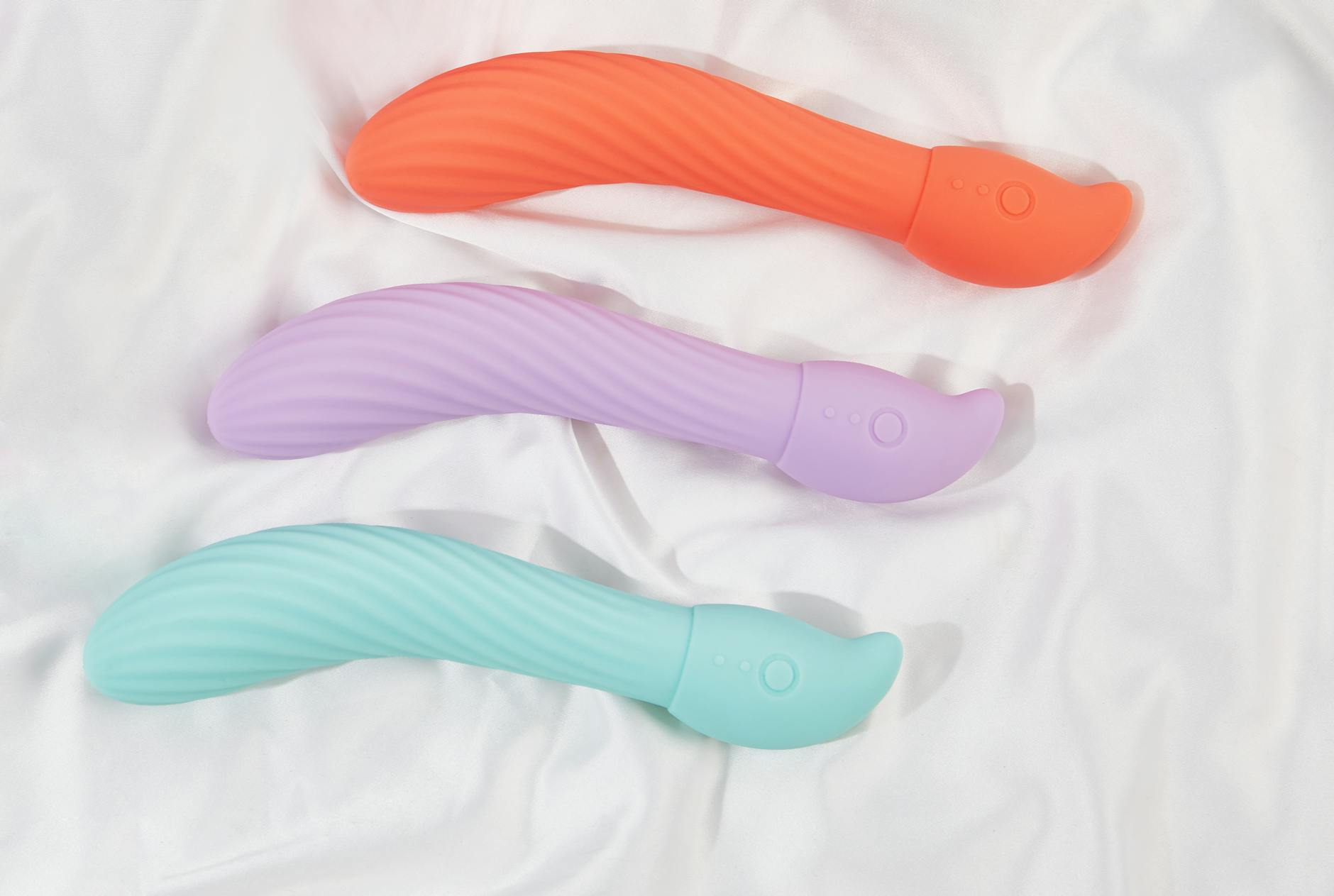
Photo by IFONNX Toys on Pexels
Days 10 to 21: The sweet spot and discovery phase
By the second week, most people have moved past the adjustment phase and into genuine exploration. Your body knows what to expect. Your nervous system has catalogued the sensation. Your clitoris has learned where to position itself for optimal contact.
This is when lemon vibrators actually show their strength. Air-suction technology gives you precision you don't get with wands or traditional bullet vibrators. You can feel individual waves of stimulation. You can control intensity with more nuance. You might discover that certain patterns feel wildly better than others.
What often happens:
- Sensitivity rebounds and becomes more refined. You're not chasing maximum intensity anymore. You're feeling quality of sensation.
- Orgasms shift. They might feel different than what you're used to. Some people describe them as more localized. Others say they feel longer or more rolling. This is normal.
- Preference emerges. You'll start having opinions about patterns, duration, pressure, and whether you want movement or stillness during climax. Trust those preferences.
For most people, this is when the investment in a quality lemon vibrator makes sense. You're not just adapting. You're discovering something genuinely new about your body.
Weeks 3 to 4: Integration and the baseline shift
By the end of week three, a lemon vibrator should feel comfortable and intuitive. Sessions should feel natural, not effortful. You've probably discovered which patterns work best for you and in what context.
One thing I see happen consistently: once someone gets used to the precision of air-suction, going back to traditional vibrators or wands can feel imprecise. That's not a problem. It just means you've calibrated to a specific type of stimulus, and you know what you like.
By week four, many people report:
- More reliable orgasms. Not always, because arousal is context-dependent. But the mechanics feel easier.
- Faster climax time. Your body has learned the pattern and knows how to respond.
- Deeper relaxation during use. You're not tensing up waiting for sensation. You can actually breathe and enjoy the experience.
Why the first two weeks are crucial for long-term satisfaction
I want to be direct about this: if you quit in the first week, you'll never know what you're missing. The adaptation period isn't a sign the product isn't right for you. It's actually how your body tells you it's working.
When I work with couples or individuals navigating new tools for pleasure, the biggest mistake is abandoning something after two sessions because it felt "off" or "not what I expected." Your clitoris needs time to learn a new language. Two sessions is barely an introduction.
Here's what helps during the adjustment window:
- Lower your expectations about performance. You're not supposed to have earth-shattering orgasms on day three. You're supposed to feel curious and present.
- Remove the pressure to climax. Let exploration be enough. Orgasm will come naturally once your nervous system settles.
- Use good technique. Keep sessions to 10-15 minutes while adapting. Start on pattern 1 or 2. Let the clitoris stay stationary while you move the lemon gently over it, rather than holding it completely still and letting the vibration do all the work.
- Lubricate generously. Water-based lube reduces friction and allows tissue to respond more gracefully to the stimulus.
Much like learning a new pleasure skill with a partner, the individual work with a lemon vibrator requires patience and presence.
What slows down adjustment (and how to avoid it)
Some people take longer than three weeks to feel genuinely comfortable. Here's why:
Tension and anxiety. If you're using a vibrator while stressed or distracted, your pelvic floor stays clenched. This makes sensation duller and adaptation slower. Create space for this experience.
Unrealistic expectations. If you expect a lemon vibrator to feel exactly like partnered sex or like something you've seen in adult content, you'll be disappointed. It's its own thing.
Inconsistent use. If you use it once a week for three weeks, you'll still be in adjustment. Consistency helps your nervous system adapt faster. Three to four times per week during the adaptation window gives your body actual data to work with.
Wrong pressure or technique. Pressing too hard or moving too fast can make things uncomfortable. The lemon works best with light contact and allowing the sensation to come to you rather than chasing it.
The partner question during adjustment
If you're in a relationship, using a lemon vibrator during partnered sex is absolutely an option. But I'd recommend getting comfortable with it solo first. Once you know what you like, what patterns feel good, and where your sensitivity lives, you can introduce it with a partner from a place of knowledge rather than discovery.
This actually strengthens the experience for couples because you can guide them: "Start on pattern 2, use more pressure here, slower there." You're not both figuring it out simultaneously, which reduces performance pressure on both sides.
The emotional component (yes, it's real)
Adapting to a new tool for pleasure isn't purely physical. There's often an emotional dimension that's worth naming: shame or awkwardness about exploring your own body, anxiety about whether you're "doing it right," or surprise at how much sensation your body is capable of receiving.
All of that's normal. And all of it usually softens once you've spent enough time with the tool to feel like it's genuinely yours, not something foreign.
Give yourself grace during those first two weeks. You're not broken if adjustment takes longer than a friend's experience. You're not weird if you love it immediately. You're exactly on track.
FAQ: Common questions about the adjustment period
How do I know if I'm doing something wrong versus just adjusting?
If you're experiencing pain (sharp, not just unusual sensation), numbness that doesn't resolve after a break, or complete loss of sensation after multiple sessions, check in with a healthcare provider. Mild tenderness, sensitivity that fluctuates, and "weird but not painful" sensations are all normal during adaptation. The distinction matters.
Why does the sensation feel less intense by day 4 when it was so strong on day one?
Your nervous system is habituating to the stimulus. This is neurologically normal and actually a sign of healthy adaptation. Your body is learning to engage more efficiently with the sensation rather than being overwhelmed by novelty. By week two, sensation quality usually improves even if perceived intensity feels lower.
Can I speed up the adjustment period?
Consistency helps. Using a lemon vibrator three to four times per week gives your body more data points than sporadic use. That said, don't force longer sessions or higher patterns just to speed things up. Patience actually accelerates adaptation because you're not creating tension or soreness that sets you back.
Is it normal to feel self-conscious while adjusting?
Completely normal. You're learning something new about your body, and that takes vulnerability. That self-consciousness usually melts once you're in the sensation. If it persists beyond the first week, privacy, music, or a quick grounding practice (a few deep breaths, reminding yourself you deserve this) can help.
Should I use a lemon vibrator during my period?
Absolutely. Some people find their clitoris is more sensitive during their cycle and prefer lower patterns. Others find the sensation grounding. Your body might feel slightly different due to hormonal changes, but that's not a reason to avoid it. It's just another variable to notice.
What if I still don't feel comfortable after three weeks?
That's real feedback. It might mean the lemon isn't the right tool for your body, or it might mean you need more time. You could try different patterns or techniques. You could also check in with yourself about what specific aspect feels off: the sensation itself, the pressure, the pattern, the ritual of using it. That clarity helps. And if after honest exploration it still doesn't work for you, that's okay too. Not every tool is right for every person.
The bottom line
Adjustment to a lemon vibrator typically takes between two and three weeks. The first few days feel novel and intense. Days 4 to 10 are when sensation can feel lower (it's not, it's just normalizing). By week two, most people have moved into genuine exploration and discovery. By week three to four, using a lemon vibrator should feel intuitive and comfortable.
The key to getting through this window successfully is patience, consistency, and releasing the expectation that pleasure works on a performance timeline. Your body isn't slow. It's learning. And once it does, you're usually looking at a tool that becomes genuinely central to your pleasure life.
If you have specific questions about your own experience or want personalized guidance, we're here. Reach out at /contact and we'll get you sorted.