Let's talk about the part nobody prepares you for
Illness steals more than just time. It steals the ease. When you've been sick, whether it's weeks of flu or months of recovery, returning to sex doesn't feel like clicking a switch back on. It feels tentative. Rusty. Sometimes ashamed that you need to relearn something your body used to know.
Honestly? That's completely normal, and it's also completely fixable.
What actually happens to your body during recovery
When you're unwell, your nervous system goes into conservation mode. Blood flow redirects away from pleasure zones and toward healing. Hormones drop. Fatigue rewires your baseline, and sensation itself can feel either muted or weirdly heightened depending on what you've been through.
Here's the part I tell my clients: your body didn't forget how to respond. The neural pathways are still there. What changed is your baseline trust in your own physical capacity, and that's a mental and emotional piece, not a physical one.
Many people also carry phantom sensations from illness. If you were nauseous, the smell of something can trigger that memory. If pain was involved, your nervous system learned to brace. This is not weakness. This is your body doing exactly what it's supposed to do. The job now is to gently convince it that safety has returned.
Why lemon vibrators are particularly helpful during recovery
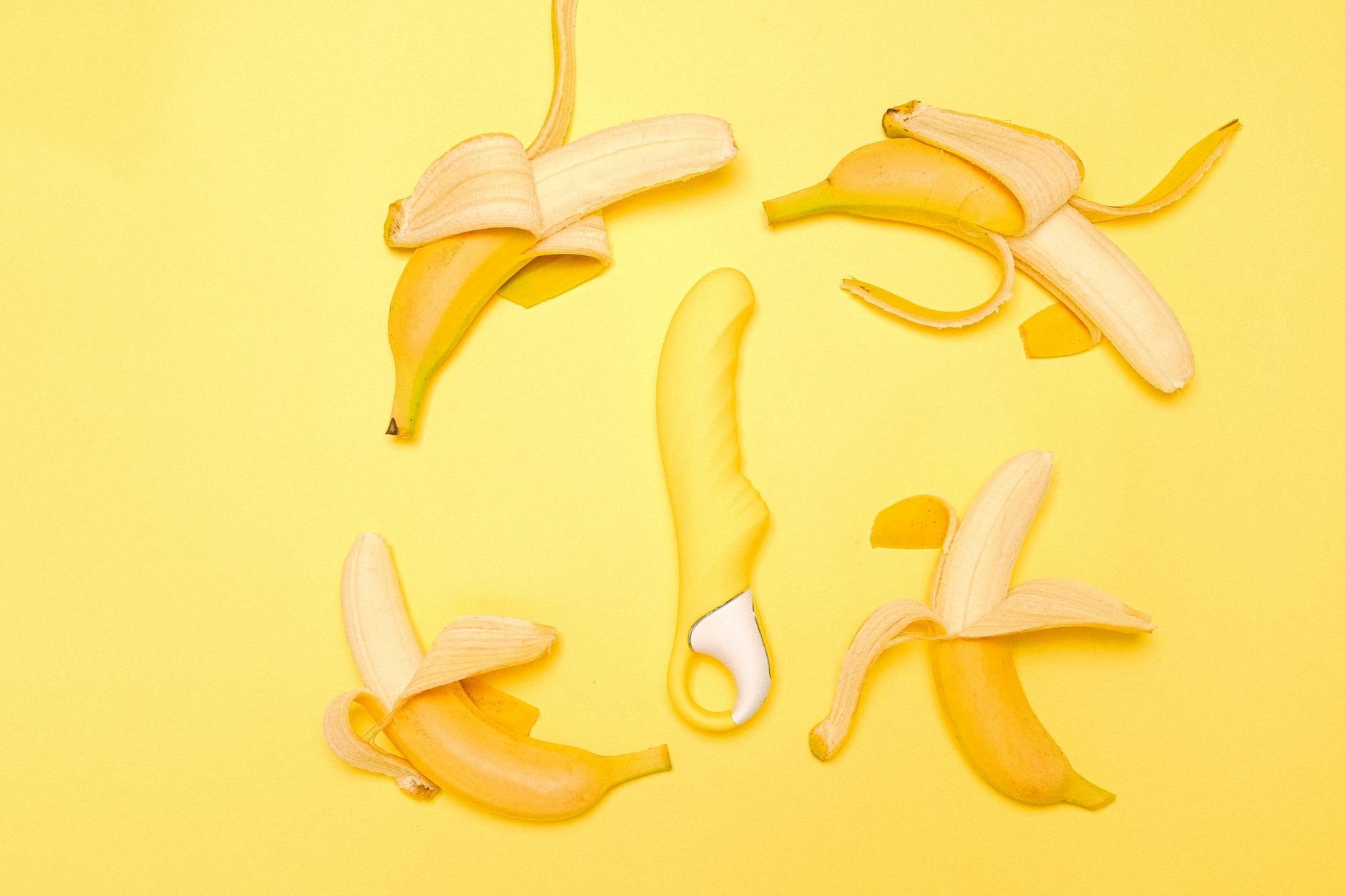
Lemon clitoral vibrators work differently than traditional vibrators. Instead of buzzing against skin, they use gentle suction and oscillation. That distinction matters hugely when you're rebuilding.
During recovery, tissues can be more sensitive. Direct vibration sometimes feels too intense or even painful. Suction creates a different sensation. It's less like hammering and more like gentle, rhythmic drawing. For someone whose body is learning to trust pleasure again, that softer approach often feels safer to the nervous system.
Lemon sexual toys also give you control over intensity in ways wands sometimes don't. With a lemon vibrator, you can start at pattern one and stay there as long as you need. There's no expectation to escalate. No pressure to perform at a certain speed.
Start with solo exploration, not partnered sex
This is non-negotiable. Before you try anything with a partner, spend time alone with your body.
Schedule 15 to 20 minutes where you're not rushed, not worried about anyone else's experience, and not managing anyone's expectations but your own. Set the space however makes you feel safe. Warm room, privacy, whatever. No performance required.
Start fully clothed. Touch yourself over clothing. Notice what feels good, what feels strange, what feels numb. Spend several sessions just doing this. No vibrator yet. Your nervous system needs to remember that sensation is safe before you introduce a tool.
Once you're comfortable with clothed touch, move to skin contact without the lemon vibrator. Again, no goal. No outcome. Just reacquainting yourself with your own body.
After a few days or a week of this, introduce the lemon vibrator on the lowest setting. Hold it nearby without using it. Notice how it sounds, how it feels in your hand, what your nervous system does in response. This is called pendulation in somatic therapy. You're toggling between your own safe nervous system state and a new input, over and over, teaching your body that the new input is safe.
When you're ready to use it
Start on pattern one. Not because you need to build tolerance, but because pattern one is genuinely enough when you're relearning. The clitoral area has hundreds of thousands of nerve endings. You don't need intensity to experience sensation.
Use lube. Even if you never did before, use it now. Your tissues may be slightly drier post-illness, and lube reduces any friction sensation that might trigger your nervous system to protect.
Approach from the side, not directly on top. Many people returning to pleasure after illness find that indirect stimulation feels less overwhelming than direct contact. A lemon vibrator to the side of the clitoris, with the suction gently drawing rather than pressing, often unlocks sensation without triggering defensiveness.
Breathe. This is not meditation, this is not spiritual. It's literally just paying attention to your breath and making sure you're not holding it. When we're nervous about sensation, we unconsciously brace. Bracing shuts down pleasure. Breathing keeps the nervous system regulated.
The emotional part that nobody mentions
Many people coming back from illness feel embarrassed about the gap. You missed time. Your body feels unfamiliar. Sometimes there's shame around needing to start over.
Stop. Your body didn't fail you. It protected you. It did exactly what it needed to do to heal. Recognizing that and treating yourself with patience now is not weakness. It's actually the strongest move you can make.
If you have a partner, this is worth stating out loud. Not a big conversation, just clear: "I need to move slowly with this. My body needs time to trust again. This isn't about you or how I feel about you. It's about my nervous system needing to reboot." A partner worth having will understand that your pleasure returning means more quality time together later, not less.
When to involve a partner again
Once you've had several solo sessions where you're feeling pleasure, arousal, or even just comfortable sensation, you can introduce partner contact. Start with touch, not sex. Hands, fingers, kissing. Let your partner know what felt good in solo play and ask them to explore that same area.
Use the lemon vibrator together. Let your partner hold it while you direct. This gives you control and communication built into the experience.
Stay away from penetration for now. Not forever, but for this early return phase, external stimulation only. Your pelvic floor may have tensioned during illness, and the pressure of penetration can trigger that brace response we talked about. External stimulation keeps things open and exploratory.
Stop whenever you want. This is crucial. If at any point you feel overwhelmed, numb, or disconnected, pause. It's not failure. It's feedback. Your body is telling you it needs more time. Listen to it.
A note on timelines
Some people are ready for partnered sex two weeks after recovering. Some take months. This is not a measurement of how attracted you are to your partner or how strong your libido is. It's a measurement of how long your particular nervous system needs to feel safe again.
If desire hasn't returned after three months of gentle exploration, check in with yourself about whether something else is happening. Are you stressed about something? Is there resentment you haven't processed? Is fatigue still lingering? These are real things that kill desire, and they're separate from your physical capacity to feel pleasure.
What you're actually rebuilding
You're not rebuilding sensation. That part works. You're rebuilding trust. Trust in your body's signals, trust in your partner, trust in pleasure itself. A lemon vibrator is just a tool that makes that process feel a little safer and a lot more gradual.
Your pleasure matters. The fact that you're taking time to return to it thoughtfully, rather than rushing back into something that doesn't feel right, is exactly how you make it sustainable.
Frequently asked questions
How long should I wait after illness before using a lemon vibrator?
Wait until you're no longer taking medications that cause fatigue and your energy is returning to baseline. Usually two to three weeks post-recovery, but listen to your body. If you're still exhausted, wait longer. Pleasure requires energy, and if you're depleted, the experience won't feel good. There's no prize for rushing.
Can I use a lemon vibrator if I'm still recovering but feeling better?
Yes, but keep it exploratory, not goal-oriented. If you can walk around your house without getting winded, your body has recovered enough for solo exploration. Just know that sensation might feel different than before, and that's temporary. Your nervous system is recalibrating.
What if a lemon vibrator feels uncomfortable or too intense?
Start at the absolute lowest setting and use it over underwear. You can also try holding it near your body without direct contact, just feeling the vibration through your own hand first. Discomfort is your nervous system saying it needs more time. Honor that. There's no minimum threshold of pleasure you need to hit. Comfort first, sensation second.
Is it normal that pleasure feels different after being sick?
Completely. Your nervous system has been in protection mode. It takes time to shift back to pleasure mode. You might notice that certain touches feel different, intensity feels different, or the type of stimulation that worked before doesn't work now. This usually normalizes within a few weeks of consistent, low-pressure exploration.
Should I tell my partner I'm using a lemon vibrator while recovering?
If you're in a partnership where you share sexual exploration, yes. Keep it simple: "I'm using this to help my body remember what pleasure feels like." If your partner has insecurity about toys, that's worth addressing separately. Your recovery isn't the time to manage someone else's feelings about your pleasure.
What if returning to sex still feels scary after a month of gentle exploration?
Talk to a therapist, particularly one trained in somatic experiencing or trauma-informed sexuality work. Sometimes illness triggers anxiety that needs professional support. That's not failure. That's being smart about your own mental health.
You're not starting over, you're remembering
Your body knows how to feel pleasure. Illness just put that knowledge on pause. A lemon vibrator, patience, and permission to move at your own pace are usually all you need to bring it back. And honestly, sometimes returning to pleasure after illness makes you appreciate it more than before. That's not a small thing.