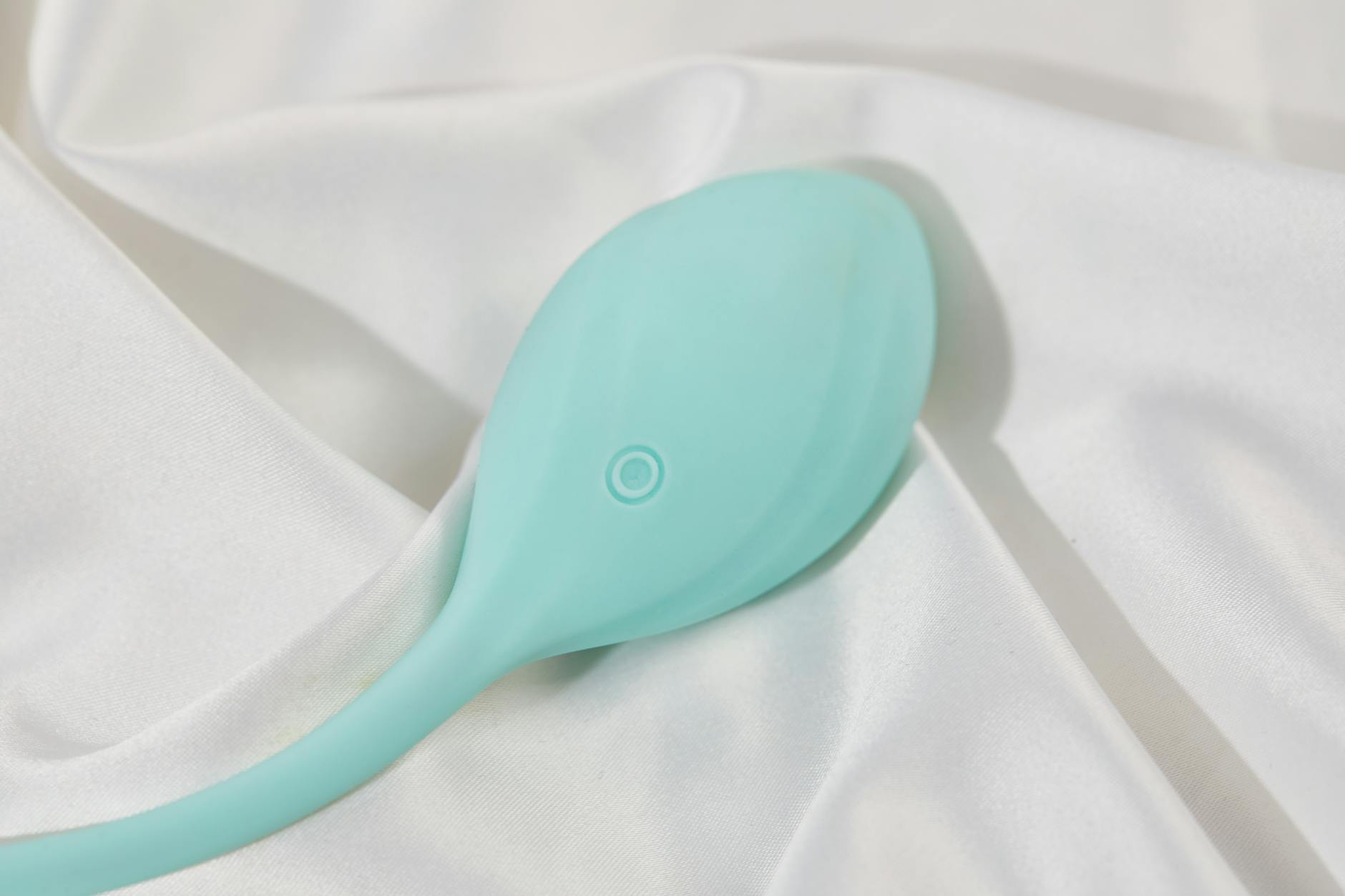
How to Use a Lemon Vibrator With Low Libido From Hormone Changes
When desire disappears but your body still works. A practical guide to rekindling arousal with a lemon clitoral vibrator when hormones have other plans.
Your desire goes missing. Not your capacity for pleasure. This distinction changes everything about how you approach pleasure when hormones have tanked your motivation. Low libido from hormone shifts (thyroid changes, adrenal fatigue, post-birth control adjustment, perimenopause) feels like someone dimmed the lights in your brain. Your body still works. Your nerve endings still feel. But the spark that usually pulls you toward pleasure has just vanished.
Here's what matters: a lemon vibrator works differently when arousal is absent at the start. You're not following desire upward. You're creating the conditions for it to show up. That requires a shift in how you use these tools.
When hormones drop, so does dopamine and norepinephrine. These neurotransmitters are the actual signal that tells your brain something is sexually interesting. Without them, touch feels neutral. Fantasies don't land. Your partner could be doing everything right and nothing registers as sexy.
This is not laziness. It's not disinterest in your partner. It's a biochemical silence.
The instinct most people have is to "push through" or "try harder." That backfires spectacularly. Forcing arousal when the chemistry isn't there creates resentment, disconnection, and deeper dysdesire. The solution is not willpower. It's strategy.
When desire is missing, you need to rebuild the pathway rather than follow it. I work with clients through three distinct phases.
Phase One: Activation (no pressure to feel anything).
Start with a lemon vibrator on the lowest setting. Touch your inner thigh, your lower belly, your labia minora. You're not aiming for arousal. You're signaling your nervous system that touch is coming and it's safe. Spend 3-5 minutes here. Many people feel absolutely nothing. That's the entire point. You're rewiring the neural pathway, not chasing a feeling.
The mistake is abandoning this phase because you don't feel turned on. Stay anyway. Consistency matters more than sensation right now.
Phase Two: Exploration (find what lands).
After 5 minutes of low-intensity contact, move the lemon vibrator slowly across different zones. Clitoral hood. Clitoral glans. The sides of the clitoris where sensation is often more intense. The vestibule around the opening. Try varying the intensity. Some people find that pattern 3 on a traditional toy is completely dead, but pattern 2 on a lemon clitoral vibrator creates subtle micro-sensations that feel novel enough to register.
You're looking for the spot where sensation becomes interesting rather than erotic. Interesting is the gateway to arousal when hormones are low. Erotic comes later.
This phase takes 8-12 minutes usually. If nothing clicks, stop. You haven't failed. You're gathering data. Your nervous system is slowly waking up.
Phase Three: Building and patience.
Once you find a zone that feels interesting, stay there. Slow circles with the lemon vibrator. Rhythmic pulses. Let your brain catch up to the sensation. Arousal with low libido is not a surge. It's a gradual softening. Your breathing changes first. Then slight changes in lubrication. Then maybe a thought or image that lands differently than it would have a week ago.
If arousal arrives, let it build at its own pace. If it doesn't, that's useful information too. You're learning what your body is capable of right now, under these hormone conditions.
Here's something counterintuitive: when libido is low, anticipation often works better than immediate sensation. Scheduling pleasure for a specific time (tomorrow evening, Sunday morning) gives your brain time to generate dopamine in advance. You're not "trying to feel sexy." You're giving your neurotransmitters advance notice that something worth paying attention to is coming.
I often recommend clients set a specific time, then don't engage with their lemon vibrator before that moment. No testing it out. No seeing if the mood strikes. Just wait. Your body often surprises you when you're not forcing it.
When arousal is slow to build, your body may not produce lubrication naturally. This is different from genuine dryness due to menopause or other hormonal conditions. This is your nervous system's way of saying "I'm not convinced yet."
Use water-based lubricant anyway. Slickness helps sensation travel faster to your nerve endings. It removes the friction that can feel uncomfortable or distracting when you're already struggling to feel interested. A generous amount of lube often makes the difference between "nothing is happening" and "okay, I'm starting to feel something."
If you're in a relationship, well-meaning partners often intensify the pressure without realizing it. They want to help. They initiate more frequently. They suggest you try harder. All of this translates to pressure, which is the enemy of low-libido arousal.
The clearest fix: communicate the why separately from the what. "My hormones are low and my desire is temporarily offline" is different from "I don't want you." Your partner benefits from knowing that solo pleasure with your lemon vibrator is part of your medical recovery, not rejection. When partners understand this is a healing phase, not a relationship problem, they relax. Your relaxation follows.
After 2-3 weeks of consistent work with one setting and one zone, your nervous system adapts. Sensation that felt interesting becomes background noise. This is not failure. This is desensitization, and it's a sign to shift.
Try different intensities on your lemon vibrator. Try different rhythms. Try new locations. Some clients find that combining their lemon clitoral vibrator with a partner's touch, or with a fantasy audio, creates enough novelty that dopamine arrives. Others benefit from temperature play (alternating warm and cool sensations) to disrupt the adaptation.
Variation is the antidote to habituation when desire is already fragile.
If you're three weeks into consistent practice and you feel literally nothing. No increasing lubrication. No changes in breath or heart rate. No subtle interest. That's worth a conversation with your doctor or a hormone-savvy therapist.
Low libido from hormone changes is real and treatable. Thyroid optimization, addressing cortisol dysregulation, adjusting birth control, or exploring hormone therapy with the right practitioner can restore desire completely. A lemon vibrator is a tool for reconnecting while you're in the adjustment. It's not a replacement for addressing the underlying chemistry.
Low libido often arrives packaged with shame. You believe you "should" want sex. Your partner believes you "should." You start interrogating why you don't. This shame loops back into your nervous system and makes arousal even harder to access.
Here's the truth: your body is responding exactly as it should to hormone changes. This is not broken. It's responsive. And it's temporary. Using a lemon vibrator during this phase is not about forcing pleasure. It's about maintaining the neural pathway to your own pleasure while you wait for chemistry to return.
That matters for your relationship, yes. More importantly, it matters for you.