Let's name what happened
Infidelity breaks more than trust. It breaks your sense of safety in your own body, your narrative about your relationship, and often, your ability to feel pleasure without a voice in your head narrating betrayal. You might be trying to reconnect with your partner. You might be working through it alone. Either way, your nervous system is stuck in a pattern it learned during the crisis: vigilance. Defensiveness. Shutdown.
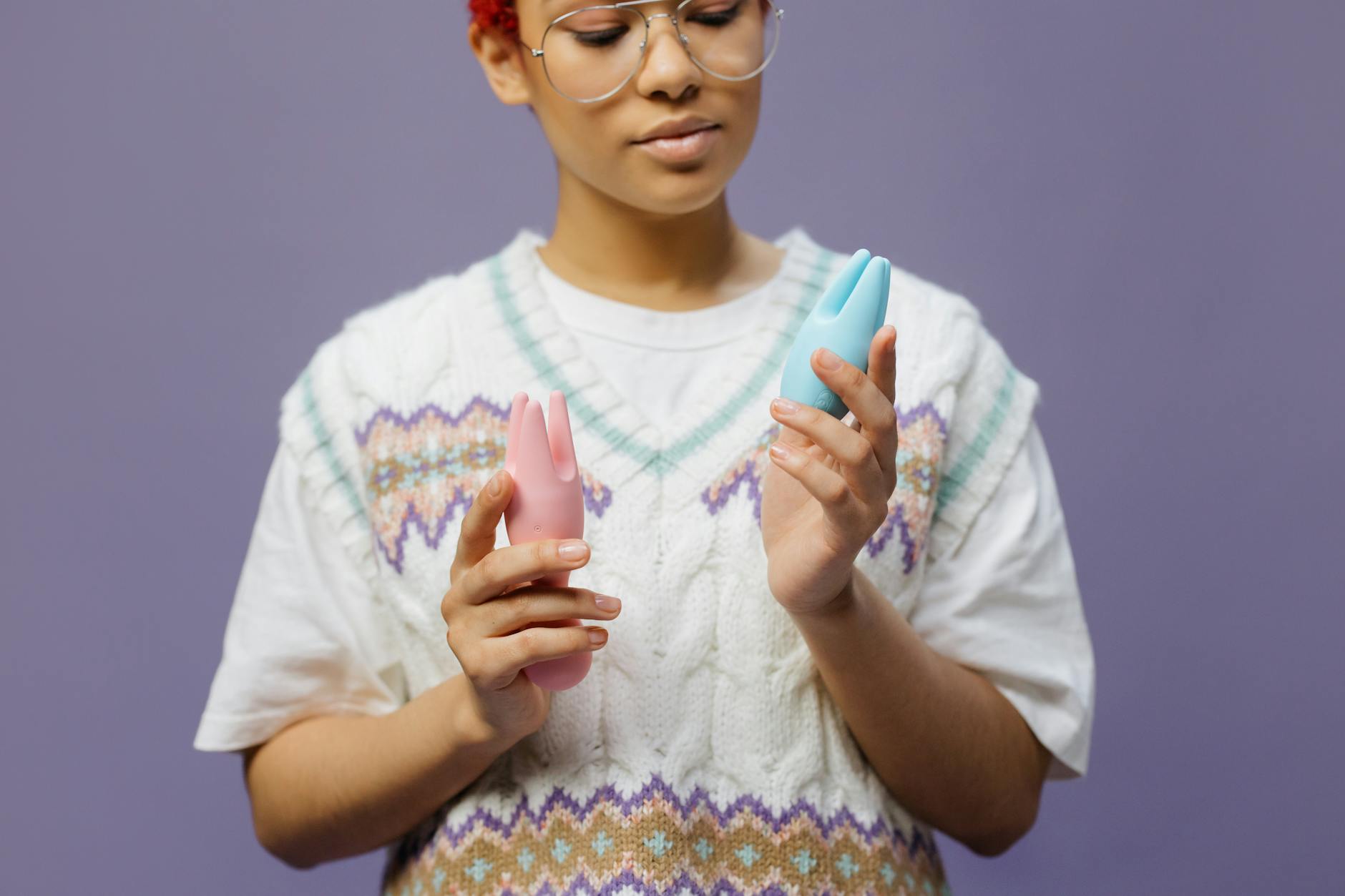
Solo pleasure is not selfish during this recovery. It's essential. And a tool like the lemon vibrator can help you reclaim sensation without the weight of old assumptions.
Why solo exploration matters more than you think
Here's what I see clinically: couples who skip the solo phase and jump straight back to partnered sex after infidelity almost always stumble. Not because they don't love each other. Because they're trying to rebuild a shared experience before either person has rebuilt a relationship with their own desire.
When betrayal happens, the first casualty is often your internal reference point for pleasure. You might feel numb. You might feel hypervigilant (tracking every sensation, every reaction, searching for proof of desire). You might feel nothing at all.
Solo work with a device like a lemon clitoral vibrator does something specific: it lets you explore sensation without an audience, without the weight of repair, without proving anything to anyone. It's investigation, not performance.
Why the lemon vibrator specifically helps
Most traditional vibrators trigger a pattern: on or off, fast or slow, linear stimulation. That pattern can feel like it mirrors the old dynamic you're trying to move past. The lemon suction-based approach works differently. It uses gentle, rhythmic pressure that feels less like conquest and more like attentiveness. For someone rebuilding their own sense of agency, that distinction matters.
The lemon vibrator also doesn't require the kind of mental focus some partners expect. You're not performing. You're not tracking their response. You're just receiving sensation at your own pace. That's radically different from the vigilance infidelity often creates.
Starting solo: the three-phase approach
Phase one: sensation without expectation. Use your lemon vibrator on the lowest settings, not with the goal of orgasm, but with curiosity. Notice temperature. Notice texture. Notice where your attention naturally goes. This phase is about rebuilding your own map of what feels good, not about achieving anything.
Many people in recovery say that the first time they felt pleasure without guilt or scanning for problems was the first time they used a lemon clitoral vibrator alone, in a locked room, with no performance requirement. That matters.
Phase two: rhythm without narrative. Once sensation comes back online, add rhythm. Patterns 2 or 3 on the lemon vibrator are ideal. Spend 20 to 30 minutes here, not rushing toward climax. The goal is rebuilding your nervous system's capacity to be present with something that feels good without analyzing it.
This is where many people hit a wall: they expect pleasure to return easily, and when it doesn't immediately, they panic. Don't. Rebuilding takes time. Your body is not broken. It's practicing safety.
Phase three: pleasure without guilt. Once you can spend time with sensation and stay present, orgasm often comes naturally. If it doesn't, that's also fine. The point is that you've proven to yourself that desire can exist separately from your partner, separately from the breach of trust, separately from anything except your own body and your own choice.
The internal conversation that changes everything
Here's what I usually tell people: infidelity often embeds a false equation in your mind. "My pleasure = risk. My desire = danger." That equation is not true, but your nervous system might believe it.
When you use a lemon vibrator alone, you're systematically proving that equation false. Your pleasure is not dangerous. Your desire is not betrayal. Your body responding to touch is not a liability.
Write this down if you need to: "My pleasure belongs to me. My desire is not his. My body is mine."
Use that line when the internal critic gets loud during solo exploration. It's not affirmations. It's correcting a false belief your nervous system learned.
When (and if) you move back to partnered exploration
If reconciliation is the goal, here's what I see work: the person who was hurt uses the lemon vibrator alone for 4 to 8 weeks. They rebuild their own relationship with pleasure first. Only then does partnered play resume, and it resumes differently. They know what they want. They know their own body works. They're not performing. They're not scanning for proof.
If your partner wants to be part of the healing, they can hold space while you explore alone. Not touch you. Not watch to assess your response. Just be present in the room, which is a different kind of vulnerability. They're witnessing your reclamation of your own desire.
Some couples find that watching a partner use a lemon clitoral vibrator (without expectation, without pressure) becomes a form of rebuilding trust. Not because sex heals betrayal. But because choosing to be vulnerable together, on your terms, is its own kind of repair.
The timeline you actually need
I see couples rush this. "It's been two months. Shouldn't we be back to normal?" Normal doesn't exist after betrayal. But stability does, and it takes real time.
Solo exploration with a lemon vibrator: 6 to 12 weeks, depending on your nervous system's pace. There's no badge for speed here. Some people need less time. Some need more. Your job is to listen to what your body needs, not to meet someone else's timeline for recovery.
After solo work stabilizes, partnered reconnection can begin. And yes, it often includes the lemon vibrator, because you now know exactly how your body wants to be touched.
What if your partner wants to help right now
They can. But not with sex. With something simpler.
They can give you a locked room and uninterrupted time. They can handle childcare, chores, whatever. They can make space for your pleasure as an act of repair, without needing to be part of it. That is radical, and it's exactly what most partnerships need after infidelity.
If they can't do that. If they need to be center to your pleasure, even while you're recovering from their infidelity. That's information too, and it's worth sitting with a therapist to name.
The nervous system piece nobody talks about
Infidelity lives in your nervous system long after you intellectually forgive. Your body is scanning for danger. A device like the lemon vibrator helps because the suction-based stimulation is gentle, predictable, and stays under your control. There are no surprises. There's no performance pressure. You set the pace. You choose when to stop.
That predictability is medicine for a nervous system that's learned the world is not safe.
Moving forward
You don't need to know right now whether this relationship will survive. You need to know that your pleasure will. That your desire can come back. That your body is not broken by someone else's choice.
A lemon clitoral vibrator is just a tool. But for someone rebuilding alone, it's a tool that says: this is yours. Your sensation, your pace, your choice. That matters more than you might think.
People also ask
How long before I can have sex again after infidelity?
There's no universal timeline. Physiologically, you can have sex whenever you want. Emotionally and relationally, the question is different. Most couples benefit from 2 to 4 months of rebuilding trust and individual healing before partnered sex feels safe again. Solo exploration with a lemon vibrator during those months actually speeds recovery because you're proving to yourself that pleasure is still possible.
Can using a lemon vibrator alone while healing from infidelity feel like rejection of my partner?
If your partner is mature and in therapy, they'll understand that your solo pleasure is actually rebuilding your capacity to show up with them. If they frame it as rejection, that's a red flag. Healing from infidelity requires both people to support individual recovery. Solo exploration is not a statement about your relationship. It's a statement about your own resilience.
Should I tell my partner I'm using a lemon vibrator during recovery?
That depends on your relationship agreement and your comfort level. Some couples benefit from transparency. Others benefit from privacy. What matters is that you're not hiding it out of shame. You're simply creating a boundary around your own healing. If you choose to share, frame it as exploration, not rejection.
What if I don't feel pleasure at all during solo play?
That's normal after betrayal. Your nervous system might not be ready to access pleasure yet. That's not a sign you're broken. It's a sign you need more time. Use the lemon vibrator for sensation without expecting orgasm. Some weeks will feel numb. Others will surprise you. Keep exploring, without pressure.
Can a lemon vibrator help rebuild physical intimacy with my partner?
Yes, but only after you've rebuilt your own relationship with pleasure. Once you know what feels good to you, using a lemon clitoral vibrator together becomes a way to show your partner exactly what you want. That clarity and communication is what actually rebuilds intimacy after infidelity.
How do I know if my relationship can recover from infidelity?
That question deserves a therapist, not a vibrator. What I can tell you is that your pleasure and your desire will recover, regardless of whether the relationship does. Those belong to you. If you decide to stay and work toward repair, you'll do it from a grounded place of knowing your own body. If you decide to leave, you'll do it knowing you're not leaving because desire is broken. You're leaving because trust is. Those are different things.