Let's call it what it is: sensory habituation
After seven years, ten years, or fifteen years with the same partner, the same rhythm, the same touch lands differently on your skin. Not in the metaphorical sense. In the actual neurological sense. Your nervous system has literally adapted to the stimulus, the way your ears stop hearing background noise or your nose stops smelling your own home.
This isn't a sign the relationship is broken. It's a sign your body needs novelty at the sensory level.
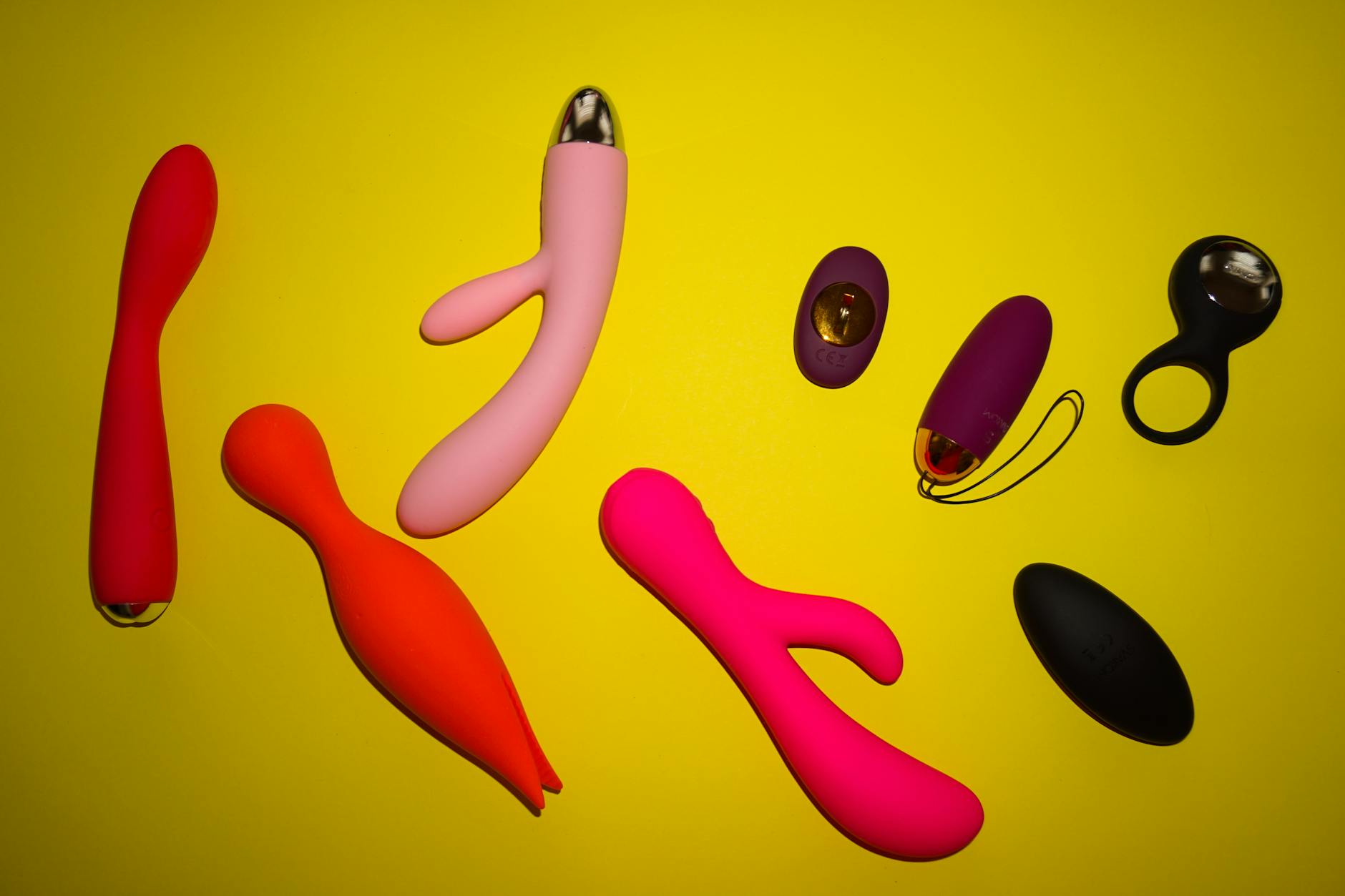
Here's the part that changes everything: a lemon clitoral vibrator works because it introduces a completely different type of stimulation. Not speed variation or intensity. Actual sensation architecture.
Why routine touch becomes invisible
When you experience the same pressure, rhythm, and pattern repeatedly, your brain's sensory processing system (your thalamus, specifically) learns to filter it out as "background." This is adaptation, and it happens automatically. Your system is trying to preserve bandwidth for new threats or novel input. It's a survival mechanism that happens to wreck the sex life of people in stable, long-term partnerships.
The irony is brutal: the more consistent and loving your partner is, the faster your nervous system habituates to their touch.
That's why switching hands, changing positions, or introducing a new tool isn't shallow or unfaithful. It's neurologically smart. You're not rejecting your partner. You're hacking your own sensory system.
A lemon vibrator (or any suction-based toy, like the Lem) works differently from a traditional vibrator. Instead of forward-and-back movement or spinning motion, suction creates a pulling sensation that activates different nerve pathways. Your nervous system perceives it as new, which means it pays attention again.
What "numbness" actually means in a long-term relationship
When couples describe pleasure fading, they usually mean one of three things:
1. Sensation actually is duller. Not imagined. Your clitoris receives the same direct touch, but your brain processes it less intensely because adaptation has occurred. This is real.
2. The emotional context has shifted. You're not present. You're thinking about work, the kids, the bills, or the fact that you've done this exact thing every Thursday for a decade. Presence is half of pleasure. Routine can erode it.
3. Desire architecture has changed. The types of stimulation that worked at 28 or 35 might not work at 38 or 45. Your hormones shift. Your stress load changes. Your body's tolerance for intensity differs. What used to be enough feels dull, not because of the relationship but because you've evolved.
All three are solvable. And lemon clitoral vibrators address them differently than traditional vibrators because of how suction works on your tissue and nerve distribution.
How suction interrupts habituation
When you use a lemon vibrator consistently, something shifts in the way your nervous system encodes the sensation. Suction pulls on the tissue rather than vibrating against it. The sensation is broader, more diffuse, and activates multiple nerve endings simultaneously. It's a fundamentally different input.
For many people in long-term relationships, this resets the sensory system just enough to re-engage pleasure. You feel present again. You stop thinking about the shopping list because the sensation is novel enough that your brain can't autopilot through it.
Start at the lowest setting. Suction is gentler than it sounds, but your nervous system needs time to recognize and encode this new pattern. Five minutes on pattern 1 or 2 is enough to begin with. Build from there.
Rebuilding pleasure together requires real conversation
If you're using a lemon vibrator in a partnership, the toy isn't the point. The conversation is. You're telling your partner: "I want us to explore together. I want pleasure to feel alive again. I'm not rejecting you. I'm inviting us both into something that feels new."
That matters because plenty of people in long-term relationships worry that introducing toys means they're not "enough." That's not true. How to use a lemon vibrator with a partner who has erectile dysfunction shows how this works in practice. The toy doesn't replace connection. It creates a new container for it.
Your partner can hold you while you use a lemon vibrator. They can observe, participate, or take a break. The specifics matter less than the fact that you're both saying yes to novelty together.
Timing and rhythm (the practical part)
Here's what I recommend to couples rebuilding sensation after years of routine.
First, separate solo exploration from partnered time. Spend two or three weeks using a lemon vibrator alone. Let your nervous system re-calibrate without the pressure of performing or coordinating with someone else. This is foundational.
Start with warm-up time longer than you think you need. Twenty to thirty minutes of non-genital touch, conversation, or just presence before you reach for the toy. Pleasure is a whole-body experience. Your clitoris doesn't live in isolation.
When you introduce the lemon vibrator into partnered sex, position it so your partner can see what's happening. Visibility matters. They stop wondering if they're "doing it right" and instead witness your actual pleasure. That visual information rebuilds the erotic connection.
When numbness is something else
If sensation hasn't returned after six weeks of consistent use, or if numbness feels localized to one area, get checked by a gynecologist. Medication changes, new health conditions, or hormonal shifts can numb sensation in ways that have nothing to do with your relationship.
Antidepressants are a classic culprit. So are some blood pressure medications. If you've started something new in the last year, that's worth discussing with your prescriber. Often there's an adjustment period, or sometimes a tiny dose change makes all the difference.
For many people though, numbness after years of routine is just sensory adaptation. And a lemon clitoral vibrator is one of the smartest tools to reset it, because it interrupts the pattern without requiring your partner to do anything differently.
The permission piece
Most of the time, when couples say pleasure has gone numb, what they really mean is they haven't given themselves permission to want something new. They feel loyal to the routine. They feel like novelty is a criticism of their partner. They feel weird about it.
That's the heaviest part to shift. Because you can have the best toy and the most patient partner, but if you don't believe you deserve pleasure to feel alive again, it won't.
You do deserve it. Your nervous system deserves novelty. Your partnership deserves the aliveness that comes when you're both willing to explore together. A lemon vibrator is just a tool. But the fact that you're reading this means you're already thinking about it. That's the real work.
FAQ
How long does it take for sensation to come back after using a lemon vibrator regularly?
Most people notice a shift within two to three weeks of twice-weekly use. But real re-engagement with pleasure often takes longer because it's not just sensory. It's also emotional and relational. You're rebuilding presence as much as sensation. Some couples say the biggest shift happens around six weeks, when the novelty of the tool itself becomes less novel but the habit of exploring together becomes more solid.
Can a lemon vibrator work if we're not trying for partnered sex, just solo pleasure?
Absolutely. In fact, solo exploration often rebuilds sensation faster because there's no performance pressure. You can focus entirely on what your body is actually feeling instead of managing your partner's experience or worrying about timing. Solo use also gives you clear data about what works for your nervous system, which you can then bring into partnered sex if you want to.
What's the difference between a lemon vibrator and a traditional vibrator for breaking through numbness?
Traditional vibrators use oscillating or rotating motion, which your nervous system has likely adapted to over years of use. Suction-based tools like a lemon vibrator use a pulling sensation that activates different nerve pathways. Your brain perceives it as novel stimulus, which interrupts the habituation cycle. It's not about being "better." It's about being different in a way that matters neurologically.
Is using a lemon clitoral vibrator in a long-term relationship a sign that something's wrong?
No. It's often a sign that something's right. You're both willing to stay curious about pleasure instead of accepting numbness as inevitable. That curiosity is what keeps long-term relationships erotic. The couples I work with who introduce toys together report higher satisfaction and more genuine presence, not less.
Should we use a lemon vibrator every time we have sex, or just sometimes?
Start with sometimes. Use it as an exploration tool, not a requirement. If it becomes necessary to feel pleasure, that's useful information worth discussing with a partner or a sex-informed therapist. But most people find that after a few months of regular use, they've reset their sensory baseline enough that pleasure feels alive again even without the toy. The tool does the re-calibration. The partnership maintains it.
Can numbness after years of routine happen at any age, or is it specific to older couples?
It happens at every age. A couple together since their early twenties can experience it at thirty-five. A couple married five years can feel it. Duration matters more than age. The longer the pattern has been consistent, the more likely sensory adaptation has occurred. That said, hormonal changes (whether from stress, medication, or life stage) can accelerate numbness at any point. Addressing it early is smarter than waiting a decade.
What actually matters
When pleasure goes numb in a long-term relationship, it feels like a referendum on the partnership. It's not. It's your nervous system doing what nervous systems do: adapting to predictable input. A lemon vibrator interrupts that pattern not because it's magic, but because it's novel. And novelty, paired with genuine presence and permission to want more, is what brings sensation back alive. How to use a lemon vibrator when returning to pleasure after a breakup covers solo recovery too, if you're exploring this alone. Either way, the principle holds: your nervous system needs something different. Give it that, and pleasure follows.