Let's start with the real talk
Pain during pleasure is a signal, not a failure. It doesn't mean you're broken, that your body is rejecting you, or that you should stop exploring. It means something needs to change. The good news: using a lemon vibrator when discomfort shows up is absolutely possible, and for many people, it's actually easier than you'd expect.
I've worked with countless people who thought pain meant the end of their intimate life. Most of the time, it's the beginning of understanding what their body actually needs.
What causes pain during intimate moments
Discomfort during pleasure can come from physical sources or emotional ones, and often both are happening at once. Here are the most common culprits.
Physical reasons: Insufficient arousal time, allergic reactions to lubricants, vaginal dryness, pelvic floor tension (your muscles tightening as a protective response), skin irritation from friction, or underlying conditions like endometriosis, vulvodynia, or vestibulodynia. Some of these need medical attention. Some just need adjustment.
Emotional reasons: Anxiety about the experience itself, trauma history, relationship tension, performance pressure, or even just being mentally somewhere else while your body is trying to be present. Stress literally tightens the pelvic floor, which blocks sensation and creates pain.
Honestly, the physical and emotional are inseparable. Your nervous system doesn't draw a clean line between them.
Why a lemon vibrator is different when pain is in the picture
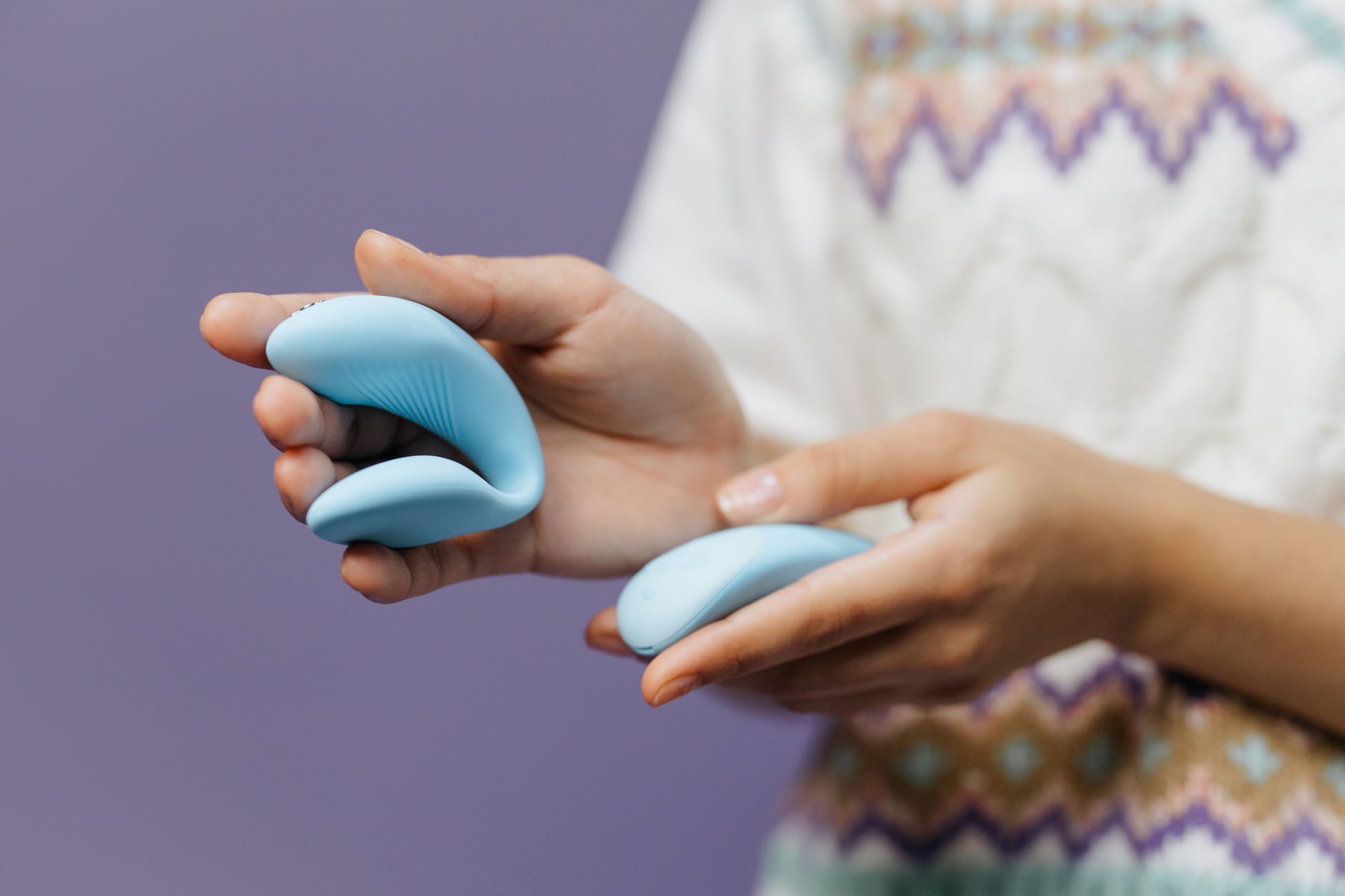
The suction mechanism on a Hello Nancy lemon vibrator works differently than traditional vibration. Instead of direct buzzing friction against sensitive tissue, it uses rhythmic suction that stimulates the clitoris without the same mechanical pressure. For people with pain, this can mean the difference between being able to explore pleasure or not.
When you have pain, gentleness isn't weakness. It's actually the smart move because it allows your nervous system to stay calm. A calm nervous system means your pelvic floor stays relaxed, which means less pain and more possibility.
Many people find that starting with low suction settings on a lemon clitoral vibrator creates space for pleasure without triggering the protective tightening that traditional vibrators can cause.
How to set up for comfort before you start
The setup matters more than the device itself when pain is a factor.
Start with a conversation. If you have a partner, talk about this beforehand. Not during. Not in a tense way. Just, "My body has been signaling some discomfort, and I want to explore what helps." This removes the surprise and shame and puts you on the same team.
Choose the right time and place. You need zero distractions and zero rush. That means not late at night when you're exhausted, not when you have fifteen minutes before work, not when your partner is half-asleep next to you. Choose a time when your nervous system feels genuinely relaxed.
Use the right lubricant. Water-based lubricant is your foundation here. It reduces friction, allows the suction to work better, and is compatible with every material. If you've had reactions to lubricants before, patch test it on your inner arm first. Some people find that hypoallergenic formulas or those without glycerin work better for sensitive skin.
Have a signal, not a script. If you're with a partner, establish a simple way to say "pause" without it feeling awkward. It doesn't have to be a safe word if that feels theatrical. It can just be "hold on" or even just a hand squeeze.
The technique when discomfort is present
Start impossibly slow. Slower than you think you need to. This isn't about getting anywhere fast.
Begin with external exploration only. No insertion. Just the clitoris and the surrounding vulva. Start with the lemon vibrator on the lowest setting. Let your body get used to the sensation without pressure.
Pay attention to what sensations feel okay versus what triggers tightening. They're different. Okay sensations feel neutral or warm. Tightening feels like your body is bracing or pulling back. When you feel the difference, you've found your window.
Move the lemon clitoral vibrator around the clitoris rather than staying in one place. Circle it, move it side to side, vary the contact. This prevents the overstimulation that can sometimes trigger pain responses.
If you feel discomfort, pause immediately. Don't push through. The goal is not to "fix" the pain during this session. The goal is to teach your nervous system that this activity can be safe. That takes time.
Many people find that arousal takes longer when pain is part of the history. Budget 20-30 minutes of exploration with zero expectation of orgasm. Your brain needs that runway to believe you're safe.
When to involve a professional
Some pain needs medical or therapeutic input. Here's when that's worth doing.
If pain is sharp, burning, or feels like something is tearing, stop and see a gynecologist. This could be vulvodynia, vaginismus, or another condition that needs proper assessment. The good news is that many are highly treatable.
If pain accompanies depression, anxiety, or trauma symptoms, working with a sex-positive therapist alongside physical exploration can help. The psychological piece matters.
If you've been avoiding pleasure altogether and shame is part of the picture, a therapist who specializes in sexuality can help you untangle that. Hello Nancy's focus is on giving you tools. A trained professional can help you understand why your nervous system is protecting itself.
Building confidence with a lemon vibrator over time
Comfort doesn't happen in one session. It builds.
Start with external exploration on the lowest settings, every few days if you can. Don't aim for orgasm. Just aim for noticing what feels safe. Over time, your nervous system will learn that this touch isn't a threat.
Once external feels genuinely relaxed and pleasant, you can gradually try slightly higher settings or different patterns. You can explore inserting a finger alongside the external stimulation. You can involve a partner more actively. You move at the pace your body sets, not at the pace you think you "should" be at.
Many people find that after a few weeks of gentle, pressure-free exploration with a lemon vibrator, the pain response actually softens. Your body learns that this kind of touch is safe, and it stops tensing in anticipation.
This isn't mystical. This is your nervous system working the way it's designed to. When a signal gets repeated and nothing bad happens, your brain stops firing the alarm.
FAQ
Can I use a lemon vibrator if I have chronic pelvic pain?
Sometimes yes, with modifications. The key is working with a pelvic floor physical therapist who can assess whether vibration helps or hurts in your specific case. Many people with conditions like endometriosis or interstitial cystitis find that gentle external stimulation with a lemon clitoral vibrator actually feels better than nothing, because the sensation overrides the pain signal. But this is deeply individual. Get professional guidance.
Is the pain always a sign that something's wrong medically?
No. Pain can absolutely be nervous system activation, trauma response, or just anxiety about the experience itself. That said, if it's new pain, sharp pain, or pain that's worsening, get it checked out. Most pain during intimacy is treatable once you know what's causing it. Don't just accept it as normal.
What if my partner wants to help but I don't feel comfortable?
That's important information. Your comfort comes first, always. You can explore with a lemon vibrator solo for as long as you need before involving a partner. There's no timeline. When you're ready, you can involve your partner gradually. Maybe they just sit nearby. Maybe they help apply lubricant. Maybe eventually they're more involved. You set the pace.
How long does it usually take before pain stops interfering?
It varies wildly. For some people, a few weeks of gentle exploration shifts things. For others, it takes months. Trauma history, the specific cause of the pain, and your stress level all play a role. The point isn't to rush. The point is consistency and self-compassion.
Can I orgasm if pain shows up during the process?
Probably not in that moment, and that's okay. The goal early on isn't orgasm. The goal is safety and sensation. Once your nervous system genuinely believes the experience is safe, orgasm often becomes possible. But pushing toward it while pain is present usually backfires.
What if nothing changes after several weeks of trying?
Then professional support is worth it. A pelvic floor physical therapist, a sex-positive gynecologist, or a therapist trained in sexual health can help you understand what's blocking you. Sometimes it's physical, sometimes it's psychological, usually it's both. That's not failure. That's just information.
The path forward
Discomfort interrupting pleasure doesn't have to be permanent. It doesn't mean your body is broken or that intimacy is off the table. It means your nervous system is sending you a message, and you get to listen to it with curiosity instead of shame.
A lemon vibrator designed with suction rather than traditional vibration gives you a tool to explore gently. But the real tool is patience. The real tool is believing that your body's signals matter and that you're worth moving slowly for.
If you're stuck, reach out. A therapist or sex educator can help you figure out next steps. Your pleasure matters, and you deserve support getting there.