When pleasure finally shows up again
Depression doesn't just make you sad. It makes you numb. That numbness reaches everywhere.your body, your emotions, your desire. So when that fog lifts and you start to feel something again, it can be disorienting. Your body almost feels like it belongs to someone else.
This is the exact moment when a lot of people either rush back into old patterns or give up on pleasure entirely. Neither of those paths works. What works is something slower and kinder: re-introduction.
Why desire feels strange when it returns
Depression doesn't just pause your libido like a video on pause. It rewires your nervous system's relationship to pleasure.
When you're depressed, your dopamine system is suppressed. Touch doesn't register as rewarding. Anticipation feels hollow. Your body forgets what it was like to want something. Then, as treatment kicks in or the episode lifts, your chemistry starts to normalize. But your body's memory is still catching up. Arousal doesn't feel like "arousal" yet. It feels confusing. Sometimes guilty. Sometimes almost scary because it's been gone so long.
This is why jumping straight back into partnered sex, or even using your old vibrator the way you used to, often backfires. It's too much signal too fast for a nervous system that's been offline.
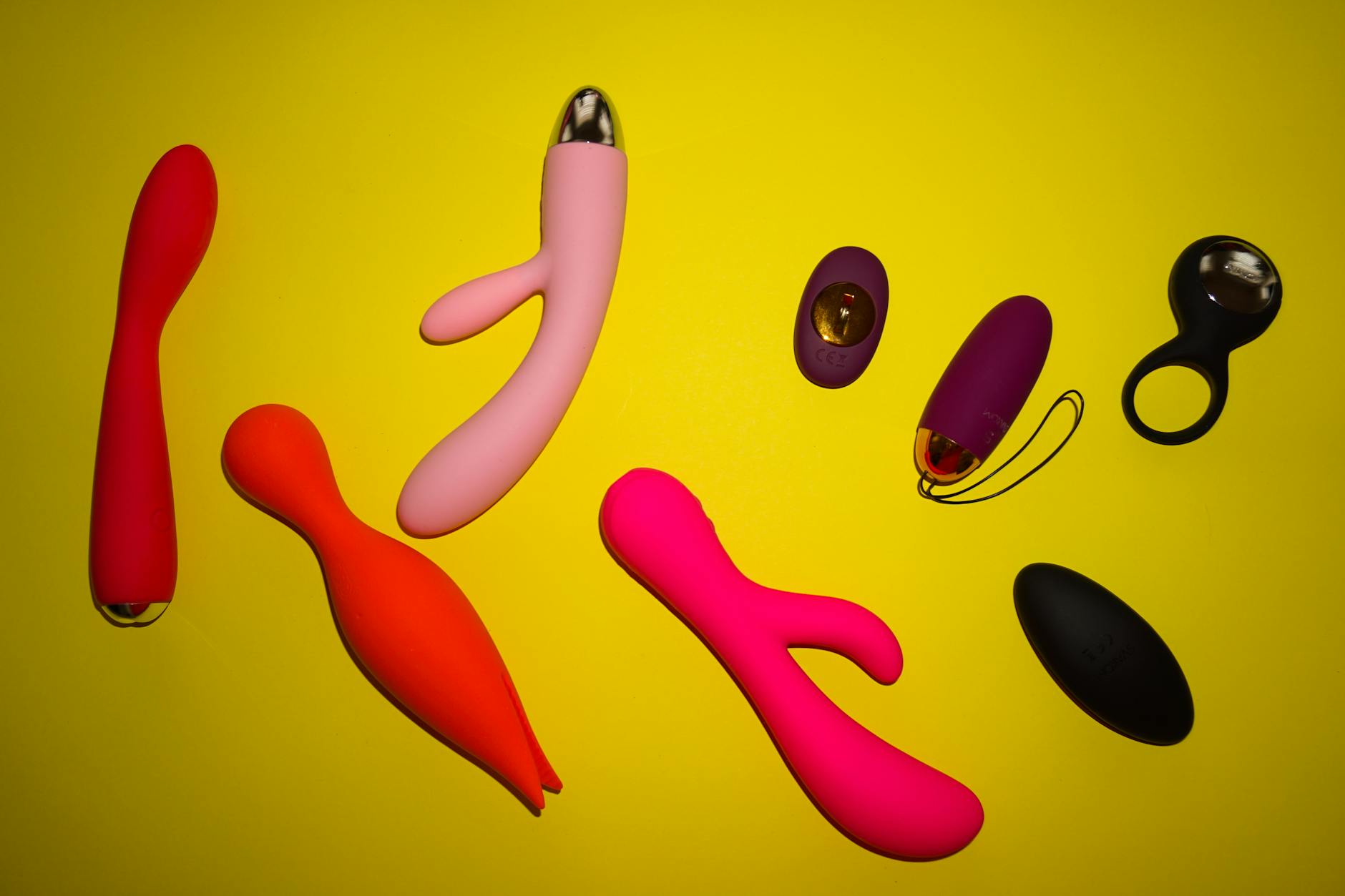
That's where a tool like a lemon clitoral vibrator comes in. It's not about going harder or faster. It's about precision, gentleness, and the kind of sustained, focused attention that helps your body remember what pleasure actually feels like.
Starting with what you can actually feel
When desire is returning, sensitivity is low. Your clitoris might feel numb or muted. Touching yourself might feel clinical instead of erotic. This is completely normal. Your nervous system is still recalibrating.
The first step is not to force sensation. It's to notice what's there.
Spend a week just exploring with your hands. No agenda, no goal of orgasm. Just curiosity. Touch your clitoris, your labia, your thighs. Notice what temperature feels good. What pressure. What rhythm, if any. You're not trying to feel pleasure yet. You're just building a map of what your body is actually responding to right now, not what it used to respond to.
Write it down if that helps. "Light touch on the left side feels warm." "Direct pressure feels numb." "Slow circles feel better than rapid taps." You're gathering data for your own nervous system.
When to introduce the lemon vibrator
The lemon sucker's design is particularly useful here. Unlike traditional vibrators that buzz across a wide area, a lemon clitoral vibrator uses gentle air-pulse technology. It creates rhythm and sensation without the assault of constant vibration. For a nervous system that's been offline, this matters.
Wait until you've had at least one week of hand exploration. You need that baseline. Then pick a time when you have 30-45 minutes of real privacy and no time pressure. Depression often taught you to rush or feel guilty about pleasure. You're unlearning that.
Start with the lemon vibrator on the lowest setting. Place it against your clitoris for 30 seconds, then remove it. Let your body register the sensation without overstimulation. Wait a minute. Try again. You're not looking for a reaction. You're introducing your nervous system to this new sensation gradually.
Building tolerance and anticipation
Many people who've been depressed struggle with anticipation. When you couldn't feel pleasure for months, you stopped expecting it. Your brain stopped sending "this might feel good" signals. That's neurologically real, not a character flaw.
Re-building anticipation is half the work. Here's what that looks like:
Week 1.2 with your lemon clitoral vibrator: Use it for 10-15 minute sessions, once every other day. Stay on the lowest setting. Spend the first 5 minutes just letting your body adjust to the sensation. Then experiment with moving the vibrator to different spots. Your clitoris, your labia, the area just above your clitoris. You're mapping what feels neutral, what feels mildly interesting, what feels good.
By the end of week 2, you should notice a slight change. Not fireworks. But maybe a very quiet sense of "okay, I can feel this." That's the win.
Years of clinical work taught me that people recovering from depression underestimate how much their brain needs repetition and gentle exposure before pleasure feels like pleasure again. You're not broken. You just need patience with the recalibration.
When numbness persists
If after 2-3 weeks of regular practice you're still feeling basically nothing, this is worth checking with a doctor. Depression sometimes leaves behind anhedonia (the inability to feel pleasure) that doesn't lift when the mood improves. This can be medication-related, especially if you're on SSRIs. It can also signal that depression is still present and needs a different treatment approach.
None of this is your fault. And it's worth addressing directly instead of pushing harder with the vibrator.
Moving into longer sessions
Once you've established that the lemon vibrator creates sensation you can feel, you can extend your sessions to 20-30 minutes.
Start the same way: lowest setting, exploring where sensation is strongest. Then move to setting 2 for a few minutes, then back to setting 1. The rhythm of buildup and release is part of what teaches your nervous system that pleasure can be predictable and safe.
Honestly? Many people in recovery from depression find that they prefer staying at the lowest settings. There's something about the gentleness that lets your mind settle. You're not chasing an orgasm. You're just practicing the sensation of being present in your body. That might sound abstract, but it's neurologically important. Depression teaches avoidance. Pleasure practice teaches attention.
Integrating this into your life without pressure
One mistake I see constantly: people feel their desire return and immediately think "I should use this vibrator every day" or "This means I'm ready for partnered sex again." Neither of those has to be true.
Use the lemon vibrator 2-3 times a week. That's enough to keep your nervous system engaged without burning yourself out. And there's no timeline for returning to partnered sex. If you have a partner, it's worth telling them what you're doing in general terms: "I'm slowly reconnecting with my own pleasure right now. That's my focus." A good partner will get it. A partner who doesn't get it is showing you something real.
Desire comes back in its own time. You don't rush it. You practice kindness with it.
Many people also find that after weeks of solo practice with the lemon sucker, partnered sex or partnered play feels less scary. Not because anything changed objectively, but because you've re-confirmed to yourself that pleasure is something your body can still access. That confidence matters.
The specific advantage of lemon clitoral vibrators
Why recommend a lemon vibrator specifically for this? Several reasons.
The air-pulse technology creates a very different sensation than traditional vibrators. It's less "buzzing through my whole body" and more "focused attention on this exact spot." For someone whose nervous system has been flattened, that precision is easier to process. It's not overwhelming.
The design is also intuitive. You're not learning a complicated interface. You're just turning it on, placing it, and noticing what happens. Simplicity matters when you're already managing a lot.
And honestly, lemon adult toys and other lemon clitoral vibrators have a visual lightness to them. They don't look clinical. They look like they might belong in your life. For someone working through the shame or heaviness that sometimes comes with depression, that matters too.
What to do if emotion shows up
This is important and worth saying: sometimes when people start using lemon vibrators again after depression, they cry. Or they feel angry. Or they feel nothing at all and that makes them sadder.
All of this is okay. Depression numbs not just pleasure but the whole emotional landscape. When your nervous system wakes back up, sometimes the first things you feel aren't joy. They're grief at the time you lost, or rage at how hard it's been, or disappointment that your body doesn't work like it used to.
If this happens, you don't have to keep going. You can stop. Set the lemon vibrator down. Sit with what's there. This is part of reconnecting too.
Common questions about desire returning
How long does it actually take for libido to come back after depression?
It varies widely. For some people, weeks. For others, months. It depends on how long you were depressed, whether you're on medication, how your body responds to that medication, and sometimes just individual variation. There's no standard timeline. What matters is that you're noticing small shifts and celebrating them instead of waiting for a dramatic return.
Can I use a lemon vibrator if I'm still taking antidepressants?
Absolutely. SSRIs can suppress libido or orgasm, but that doesn't mean you can't explore pleasure. Sometimes using a vibrator is actually part of the process of working through medication side effects with your doctor. It gives you concrete information: "I can feel sensation, but orgasm is still difficult." That's data your doctor needs.
Is it normal to feel guilty about masturbating after depression?
Very normal. Depression often comes bundled with shame. You internalize messages that you "should" have been doing things differently, or that pleasure is selfish, or that your body is something to ignore rather than care for. Using a vibrator can feel like contradicting those messages, and your nervous system might resist that. This is why the approach of slow introduction matters. You're gently arguing with depression's lies about your body.
What if I use a lemon clitoral vibrator and still can't orgasm?
Orgasm isn't the goal right now. Seriously. It's great if it happens, but it's not the measure of whether this is working. The goal is reconnecting with sensation, rebuilding a sense of agency in your own pleasure, and establishing a nervous system pattern that says "my body can feel good things." Orgasm often follows that foundation. Sometimes it takes longer. Both are fine.
Should I tell my partner I'm using a vibrator again?
If you have a partner and you want to eventually incorporate them into your pleasure again, yes. Keep it simple: "I'm working on reconnecting with my own body right now. I'm using a vibrator a few times a week." You don't need to give a full report. But secrecy often indicates shame, and shame is what depression uses to keep you isolated.
Can a lemon sucker help if my partner's libido came back before mine did?
Yes. This is actually a really common scenario. Your partner recovered first, they want to reconnect, and you're still numb. Using a vibrator solo can actually help because it takes the pressure off the partnered experience. You're not performing or trying to match their energy. You're just practicing pleasure on your own timeline.
Moving forward, gently
Depression teaches you a lot of lies. One of the biggest is that pleasure is gone forever. It's not. It just needs to come back the way it left: gradually, inconsistently, sometimes frustratingly slowly.
A lemon vibrator isn't magical. It's just a tool that can help your nervous system remember what sensation feels like when there's no pressure attached. When you're not trying to perform or come quickly or be the person you were before. Just you, your body, and the slow recalibration of pleasure.
That's more than enough.
If you're working through depression or the aftermath of it and your libido feels stuck, that's what therapy is for. A good therapist can help you work through the shame and the grief and the confusion alongside the physical reconnection. You don't have to do this alone.