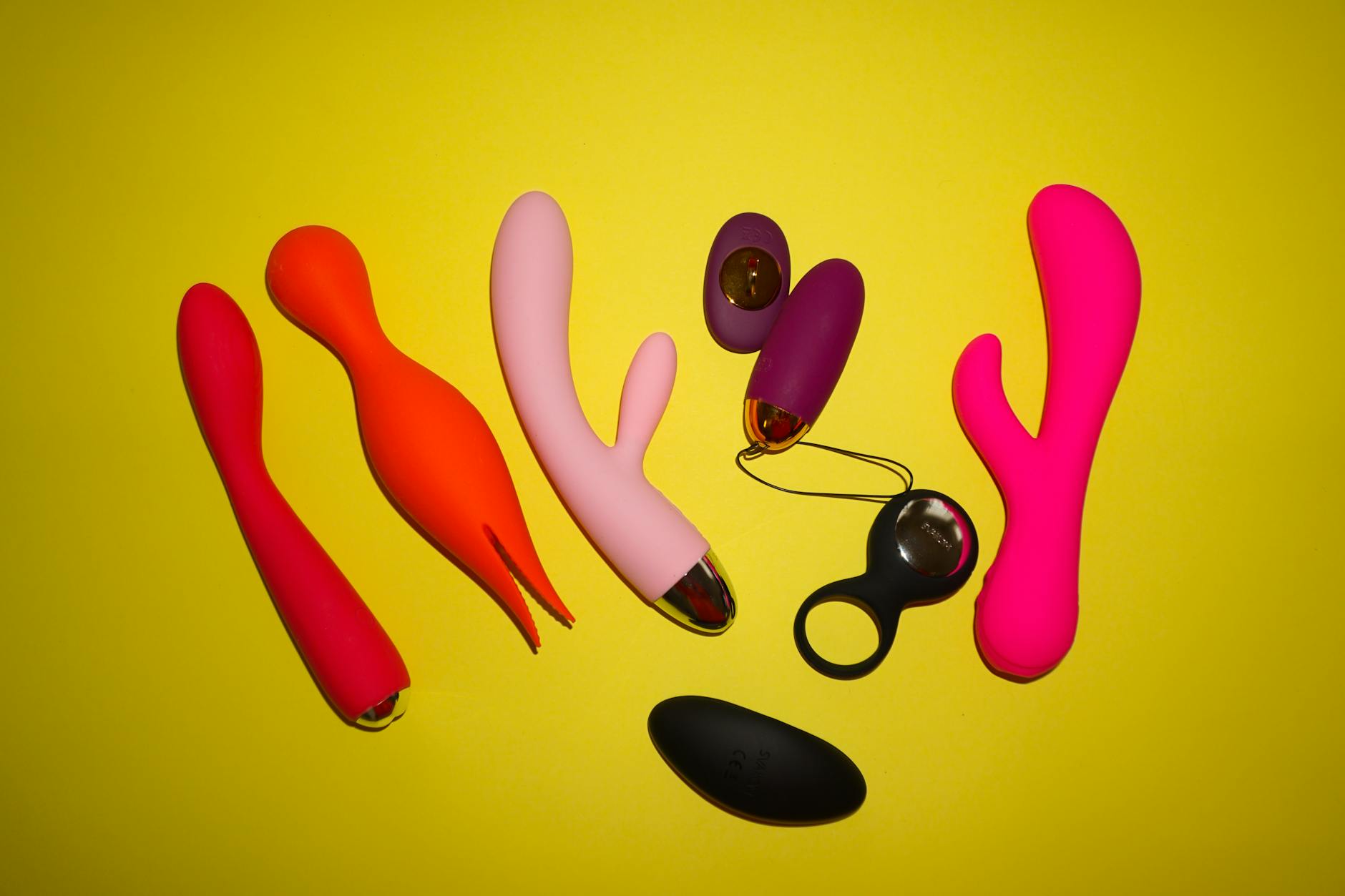
Here's the thing about slow arousal
Slow arousal isn't a problem. It's the setup. Most sex advice is written for bodies that switch on like a light. If you're the kind of person whose desire builds like a sunrise instead, you've probably internalized the message that something's wrong with you. It isn't. You just need a different strategy, and a clitoral vibrator like the Lem changes the entire equation.
The tension between quick arousal and slow arousal often kills intimacy before pleasure even starts. You feel like you're taking too long. Your partner feels like they're not doing it right. Neither thing is true. What's actually happening is that you're trying to sprint when your body is built for a jog. A Lemon vibrator gives you permission to stop rushing and start listening.
Why slow arousal is physiological, not psychological
Here's the piece most people miss. Arousal speed is not about desire level. It's about how your nervous system is wired and what your baseline stress load is. Some bodies have naturally slower blood flow to the genitals. Some people carry cortisol (stress) that dampens the signals between brain and body. Some are on medications that cool arousal. None of those things mean you're broken. They mean you need more time and often a different type of stimulation.
When you're trying to accelerate something that's structurally slow, you create tension. That tension is then interpreted by your nervous system as a threat, which makes arousal even slower. It becomes a feedback loop. The Lem works here because it bypasses the buildup entirely. You're not waiting for arousal to happen. You're actively, deliberately triggering it with sustained, consistent pressure.
The arousal spectrum changes everything
Most people think of arousal as a switch. Off or on. But it's actually a spectrum with multiple stages, and slow-arousal bodies often need to treat each stage as its own session.
Stage one is noticing. Before anything else, you need to shift your nervous system out of autopilot. This takes 5-10 minutes and has nothing to do with your genitals. Light music, phone on silent, clothes off or loosened. No pressure to feel anything yet. The goal is just to arrive.
Stage two is priming. This is where a Lemon vibrator becomes essential. Start on the lowest setting. Apply it to the outer edges of your vulva or the inner thighs first, not directly on the clitoris. The idea is not to chase sensation but to teach your blood vessels that attention is happening. Spend 5-8 minutes here. Your clitoris is still mostly external right now. You're warming it up.
Stage three is building. This is the one people skip. Once you're on mode two or three of your vibrator, stay there. Don't jump to higher intensity. Instead, vary the location. Clitoral hood, clitoral glans, vulval opening, sides of the clitoris. Your nervous system learns arousal through variation and time, not through intensity. This phase is 10-15 minutes usually.
Stage four is responding. Only after your body has had time to build through all three stages do you escalate to higher intensities or faster patterns. By this point, arousal is happening independent of the vibrator. You're now riding it, not chasing it.
Here's the difference: most people go stage one, then jump straight to stage four. Slow-arousal bodies need all four stages.
The pattern that rewires your nervous system
Over time, slow arousal often improves. Not because your body changed, but because your nervous system learned that arousal is safe and available. The Lem helps accelerate this learning.
The pattern is simple. One to three times a week, run through all four stages without expectation of orgasm. Your only job is to stay present and notice. Notice where sensation lives. Notice where it builds. Notice what patterns your clitoris responds to.
Most people who've struggled with slow arousal report that after about three weeks of this, their baseline arousal time shrinks. Not because they're rushing. Because their nervous system starts pre-loading. You notice your body getting ready before you've even started. That's the nervous system learning that pleasure is coming.
Pair this with what researchers call "responsive desire"—the understanding that sometimes, you don't feel like having sex until you're already having it. If you commit to the first five minutes of the above pattern with no expectation of going further, desire usually shows up halfway through. You're not forcing it. You're just allowing it room to appear.
When a partner is involved
If you're navigating slow arousal with someone else, communication does the heavy lifting. "I'm slow to warm up" is useful. "Here's what helps me warm up" is better.
Many partners want to help but don't know how. They're trying to generate your arousal through effort when what actually helps is consistency. Knowing that Tuesday and Thursday nights are dedicated arousal nights, with no expectation of sex, paradoxically makes sex more likely. Your nervous system isn't panicked. It's prepared.
One practical thing: let your partner know that speed signals (moving faster, pressing harder, trying different things) often actually slow you down further. What helps is pressure that stays steady for longer. This is where a Lemon vibrator is invaluable in partnered sex. It maintains that steady pressure while your partner can focus on the intimacy piece—touch, eye contact, being present.
Some partners use their Lem solo first, mapping what works, then integrate it into shared time. Others use it together from the start. Neither is right. What matters is removing the performance pressure.
The role of physical context
Slow arousal is also context-dependent. Temperature matters. A warm room with warm bedding changes everything for slow-arousal bodies. Hydration matters. Your blood has to be able to flow to your genitals. Hunger and fatigue matter. Your nervous system won't prioritize pleasure if it's managing survival needs.
Before blaming yourself for slow arousal, check the basics. Are you warm? Have you eaten? Did you sleep? Are you actually relaxed or just telling yourself you are? Sometimes slow arousal isn't slow. It's absent because the conditions for it aren't met.
Water-based lubricant matters too. Even if you don't traditionally need it, having it nearby removes the friction (literal and mental) of not being wet enough. It's not admitting defeat. It's removing a variable.
Moving from slow to steady
The goal isn't to speed up your arousal. It's to make it reliable. When slow-arousal bodies stop fighting their pace and instead invest in understanding it, everything changes. You move from "Why is this taking so long?" to "Okay, here's how my body works."
That shift is everything. A Lemon vibrator is a tool in that shift because it removes the need for a partner to keep escalating pressure. You control it. You set the pace. You spend as much time in stage two as you need. Then stage three. Then stage four.
Your pleasure isn't on anyone else's timeline. Treating it that way is where the slowness becomes a strength instead of a problem.
FAQ
How long should I spend in each arousal stage?
There's no hard rule, which is the point. If you're priming and it feels like enough sensation is present after three minutes, move to building. If after 15 minutes you're still warming up, that's fine too. The goal is to notice when your body shifts from one phase to another, not to hit a timer. Most people with slow arousal find that spending at least 5 minutes in each of the first three stages helps, then escalating in the fourth.
Can I use a Lemon vibrator if I'm on antidepressants that slow arousal?
Yes. SSRIs and some other medications do dampen arousal, but they don't eliminate the nerves. A Lemon clitoral vibrator provides direct, sustained stimulation that works around the dampening effect. Some people find that using it consistently actually helps their body re-engage with arousal over time, though this varies. If arousal doesn't improve after several weeks, that's a conversation for your prescriber about adjusting dosage or timing.
Is it normal to need 20-30 minutes of stimulation before anything happens?
Completely normal, especially if you're managing stress, sleep debt, or hormonal shifts. The Lem means you're not depending on a partner's arm or your own hand getting tired. You can set it and let it work while you focus on breathing and relaxation. Many slow-arousal people find that removing the physical effort involved in masturbation—and the mental performance of "this should work by now"—actually speeds things up.
What if my partner gets impatient with slow arousal?
That's the real conversation to have. If your partner doesn't have the patience for your arousal timeline, you have a compatibility issue, not an arousal issue. A partner worth your time enjoys the buildup or at least respects it. Using solo time with your Lemon vibrator to build confidence in your own pace often makes that conversation easier. You're no longer apologizing for how you're wired.
Does using a vibrator make slow arousal worse over time?
No. If anything, the opposite. Clitoral vibrators like the Lem provide consistent input that helps your nervous system recognize arousal signals. You're teaching your body that this is a safe place for pleasure. That doesn't make you dependent on the vibrator. It makes you more responsive overall.
Can slow arousal change with age or hormones?
Yes. Hormonal shifts like those during your cycle, perimenopause, or after stopping birth control absolutely change arousal speed. So does stress, sleep quality, and how your relationship is doing. A Lemon vibrator works across all these variables because it doesn't depend on your natural lubrication or nerve sensitivity being at peak performance. It's a reliable tool regardless of your starting point on any given day.
The bigger picture
When you stop treating slow arousal as a defect and start treating it as information, everything shifts. You learn your body. You learn what actually turns you on. You learn that pleasure doesn't have to be fast to be real. For many people, that realization is the actual gift. A Lemon vibrator, used with patience and presence, is simply the tool that gets you there.
If you want to talk through what slow arousal looks like in your specific situation, whether solo or partnered, reach out. That conversation is worth having.