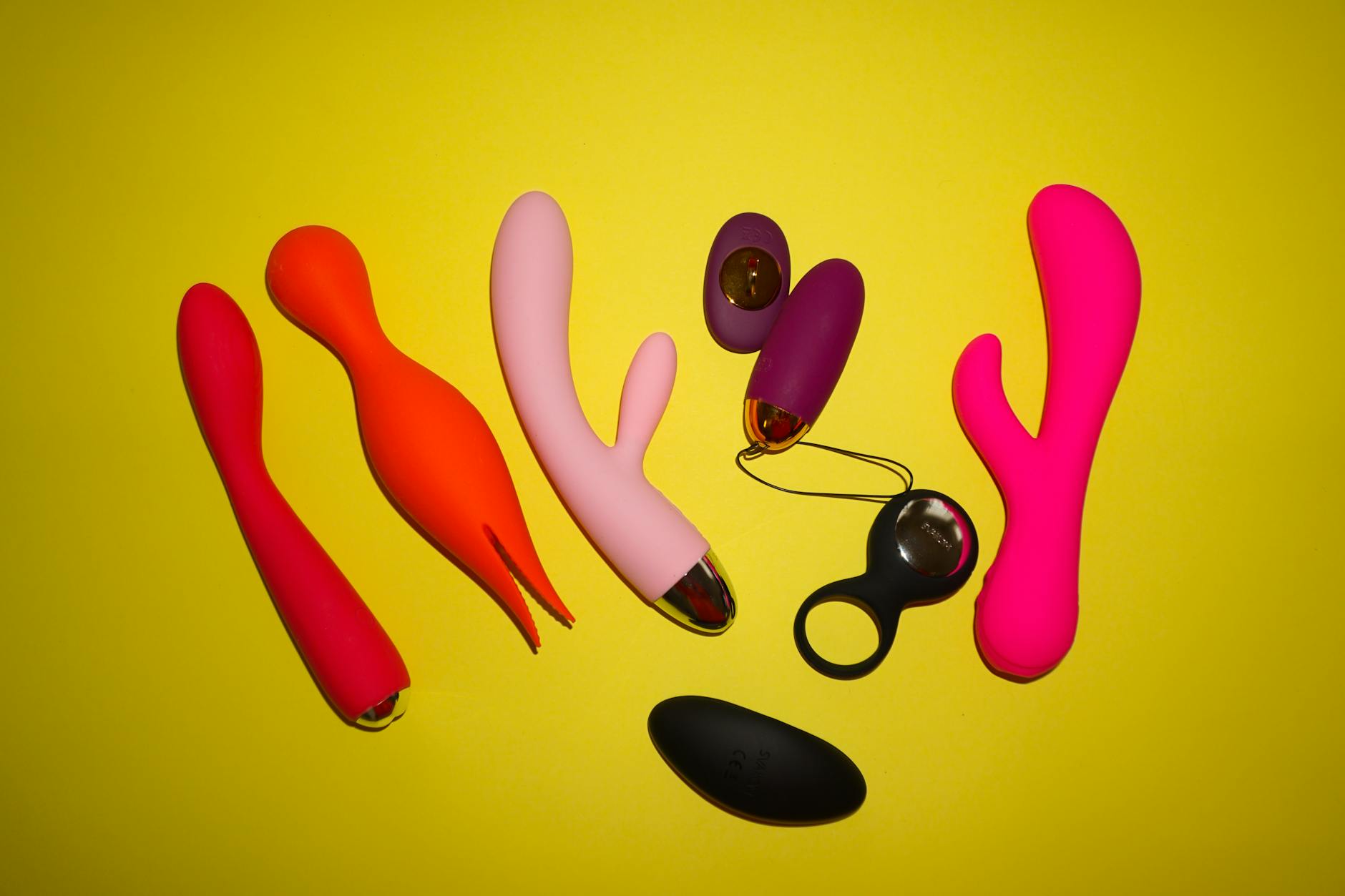
Let's be honest about sensitive tissue
Having a sensitive clitoris doesn't mean you're broken. It means your nerve endings are responsive, which actually gives you access to powerful sensation. The trick is learning how to work with that sensitivity instead of fighting it.
Most people with sensitive clitoral tissue end up avoiding vibrators altogether because they've tried devices that feel like a jackhammer at setting one. That's the wrong equipment, not a reflection on your capacity for pleasure. A lemon vibrator, particularly models from Lems Nancy Shop, is designed with gentle suction technology that works differently from traditional vibrators. Instead of forceful vibration, you get rhythmic pressure that builds sensation gradually.
If you're newly exploring solo pleasure or returning after years away, understanding your particular sensitivity is the foundation for everything that comes next.
Why sensitive clitorises respond differently
Your clitoris has roughly 8,000 nerve endings concentrated in a small area. When tissue is particularly sensitive, those nerves fire more easily and more intensely. This is not a defect. It's a feature that means you can experience profound sensation at lower intensities than people with less reactive tissue.
The problem arises when you pair highly sensitive tissue with a vibrator designed for people with less sensation. Traditional vibrators use oscillation. A lemon vibrator uses gentle suction. That difference matters enormously for sensitive clitoral tissue.
Sensitivity can come from several sources. Some people are born with more reactive tissue. Others develop heightened sensitivity after hormonal changes, after injury or trauma, or even from anxiety. Identifying what's driving yours helps you choose the right approach.
Starting with the right device
A lemon vibrator (or lem vibrator as it's often called) is specifically engineered for gradual sensation building. The suction mechanism creates rhythmic stimulation without the sharp intensity of traditional vibration. For someone with a sensitive clitoris, this is transformative.
When you're choosing between adult toys, look for devices with multiple intensity settings and gentle entry patterns. A lemon clitoral vibrator from Lems Nancy Shop offers both. You're not choosing between "on" and "off". You're choosing between carefully calibrated levels of pressure.
Before you even turn it on, get comfortable with how it feels in your hand. The weight, the texture, the shape. Spend a few minutes just holding it against your inner arm or neck. Your clitoris is more sensitive than these areas, but this lets your nervous system acclimate to the device without pressure or expectation.
The first solo session: no rushing
Set aside at least 30 minutes. You're not aiming for orgasm tonight. You're gathering information.
Start in a comfortable position where your hips have support and your legs can relax fully. Tension in your thighs and lower abdomen travels straight to your pelvic floor, which tightens around sensitive tissue and amplifies discomfort. You want everything loose.
Begin with light external touch. Use your hand or a finger to explore the area around your clitoris. Not the clitoris itself yet. The inner labia, the area where the clitoral hood sits, the perineum. Sensitive tissue often relaxes when you give it context and surround it with gentler sensation first.
Apply a water-based lubricant generously. This serves two functions. It reduces friction, which matters tremendously for sensitive tissue. And it conducts sensation from the device more smoothly into your body. Don't skip this step.
Once you've spent 10 minutes or so on manual exploration, introduce the lemon vibrator on its lowest setting. Don't place it directly on your clitoris. Place it on the clitoral hood or the area just above your clitoris. You're creating distance between the device and your most sensitive nerve endings while still experiencing the suction and rhythm.
Building your sensitivity map
One of the most useful discoveries you can make is learning exactly which spots, pressures, and patterns feel best versus overwhelming.
Without turning the device on, position it in different locations around your clitoris. Some people find that slightly to the left or right feels better than direct contact. Others discover that positioning against the upper clitoris works better than the tip. This is individual mapping. No two bodies are identical.
Once you've found a comfortable position, turn the device on to setting one or two (start with one). The sensation should feel pleasant, not intense. You're aiming for a feeling that makes you think "oh, that's nice" not "oh my god, I need to adjust." If it's too much, move the device away from your clitoris slightly. If it feels like nothing, you can gradually move it closer.
Stay at this intensity for 5 to 10 minutes. Your body is learning. Nerves are registering new sensation. Your arousal is building slowly, which is exactly what you want. Resist the urge to increase intensity. This is a marathon, not a sprint.
When intensity becomes uncomfortable
Sensitive tissue sometimes needs a break. If at any point you feel discomfort rather than pleasure, pause immediately. This isn't failure. It's information.
Turn off the device. Remove it completely from contact with your body. Take 30 seconds to a minute and just breathe. Notice what sensations remain. Often the arousal continues even after you pause the device.
You might return to a lower intensity. You might return to manual touch. You might stop for tonight and try again in a day or two. All of these choices are legitimate. Building pleasure with sensitive tissue requires patience and experimentation.
Many people with sensitive clitorises benefit from shorter sessions but more frequent exploration. Fifteen minutes twice a week often works better than one marathon session. Your nervous system regulates better with this rhythm.
Using your lemon vibrator with a partner
If you have a partner, here's the key conversation to have first. "My clitoris is sensitive. That means I'm going to explore with different intensities, and I might need pauses. None of this reflects my attraction to you or my interest in pleasure." That clarity prevents misinterpretation later.
Start solo before you introduce a partner to this device. You need to know your own patterns and comfort zones before you're coordinating someone else's hands or penis or interest.
When you do integrate a lemon vibrator into partnered sex, communication becomes even more important. You might use it before sex to warm up. You might use it during sex if your partner knows to pause when you need a break. You might use it after sex for deeper exploration.
Lems Nancy Shop's lemon vibrators work beautifully as a bridge between solo and partnered pleasure because they don't require penetration. Your partner can be present and engaged while you're controlling your own sensation directly.
Troubleshooting the most common issues
It still feels too intense at the lowest setting. Try using the device over more layers. Use it through your underwear or through a thin fabric. This diffuses the sensation and lets your body acclimate gradually.
I don't feel anything at all. Sensitive tissue and numb tissue are different problems. If you're not feeling the device despite being aroused and lubricated, you might need to explore whether numbness is at play. This warrants a conversation with a healthcare provider. In the meantime, look at the earlier section on sensitivity mapping to confirm you're positioning correctly.
My clitoris gets irritated after 15 minutes. This is common with sensitive tissue. Stop at 15 minutes. You've gathered enough information for one session. Your body isn't designed for marathon sessions, and that's fine.
I achieve orgasm but it feels scattered or incomplete. Sensitive tissue sometimes experiences orgasm differently than less reactive tissue. Yours might be quieter or more diffuse than you expected. That's not less valid. It's just different. Notice it without judgment.
Building your relationship with pleasure over time
Learning to use a lemon sucker or any lemon vibrator with sensitive tissue is not a one-session skill. It's a practice. The first month, you're gathering data. The second month, you're refining what you've learned. By month three, you have a clear sense of what works.
As your body adapts, you might gradually increase intensity. Or you might discover that setting one is perfect for you and never need to go higher. Both outcomes are success. Your pleasure belongs to you completely. You're not performing for anyone or proving anything to yourself.
Most people with sensitive clitorises report that their best orgasms come once they've stopped trying to force sensation and started working with their body's actual responsiveness. When you accept that your clitoris is sensitive and choose tools and approaches accordingly, pleasure becomes accessible instead of elusive.
If you'd like more detailed guidance on modifying your technique for specific situations, check out how to use a lemon vibrator if your clitoris is sensitive or tender. If you're exploring after a long solo period, starting solo after a long-term relationship offers additional context.
FAQ: Sensitive clitorises and lemon vibrators
Can a sensitive clitoris experience orgasm with a vibrator?
Yes, absolutely. Sensitive tissue can have intense, satisfying orgasms. The key is using a device that works with your sensitivity rather than against it. A lemon vibrator's gentle suction mechanism is specifically beneficial for sensitive clitoral tissue because it builds sensation gradually instead of overwhelming.
How long should I wait between sessions when I have a sensitive clitoris?
Start with at least one day between sessions while you're learning. This gives your nervous system time to regulate and your tissue time to recover. As your body adapts and you understand your personal sensitivity better, you might move to twice a week or daily exploration. Listen to your body's feedback rather than following a rigid schedule.
Is using lubricant essential if my clitoris is sensitive?
Yes. Water-based lubricant reduces friction between the device and your tissue, which decreases discomfort and increases pleasure. It also conducts sensation more smoothly. Never skip this step when you have sensitive tissue. Reapply as needed if the lubrication diminishes during your session.
My partner wants to use the lemon vibrator on me but I'm nervous about their pressure level.
Have them start with your hand on top of theirs. You're literally controlling the pressure while they move the device. This removes performance pressure and lets them feel what intensity actually works for your body. After a few sessions, you might release that control. Or you might prefer to always manage the pressure yourself. That's a valid and intimate dynamic.
What if sensitivity changes throughout my menstrual cycle?
This is extremely common. Pre-ovulation, your clitoris might be more reactive. Post-ovulation, you might need slightly more intensity to reach the same sensation. Some people with sensitive tissue find they need to pause exploration during their period because everything feels too tender. Track these patterns over a few months so you can anticipate them and adjust your approach accordingly.
Can I use a lemon adult toy during sex if I have a sensitive clitoris?
Yes, though it requires communication and coordination. Some people use it before partnered sex to warm up and explore their own sensation. Others use it during sex while a partner is inside them, which creates a different kind of combined stimulation. Start with solo exploration so you know your patterns before introducing a partner into the equation.