
Here's the thing about bringing toys into a partnership
Neither of you is broken. This isn't about fixing anything. A lemon vibrator isn't a replacement for your partner, a sign that something's missing, or a vote of no confidence in what you already have. It's an expansion. Most couples I work with find that introducing a clitoral vibrator like the Lem actually deepens connection because it removes a pressure that's been sitting quietly between you for years.
The real friction isn't about the toy itself. It's about the story you're both telling yourselves about what it means.
Why the conversation feels harder than it actually is
There's a gap between what you're thinking and what your partner probably thinks you're thinking. You imagine them feeling rejected or inadequate. They're probably worried about the exact same thing in reverse. So you both stay quiet, which creates the actual problem.
What helps: separate the conversation from the bedroom. Not by days or weeks, but by context. Don't try to introduce this mid-foreplay when your brain is offline and defensiveness is high. Pick a regular time. Walking, cooking, literally any moment when you're both calm and not touching.
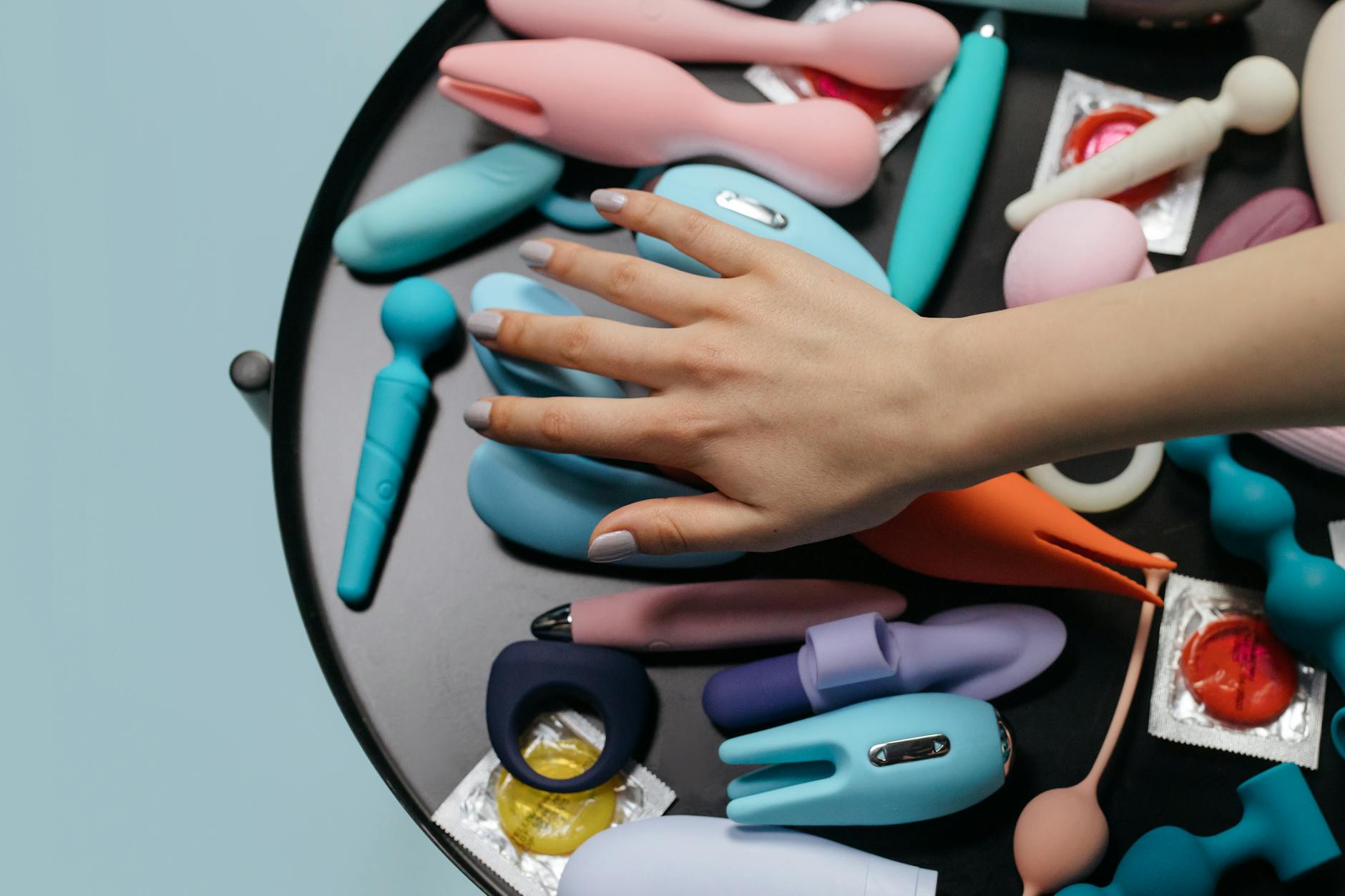
Photo by cottonbro studio on Pexels
How to open the door without making it weird
Here's what doesn't work: "I want to try something new because what we're doing isn't working." That reads as criticism, and it lands as rejection, even if that's not what you meant.
Here's what does work: start with curiosity, not critique. "I've been reading about lemon vibrators, and I'm kind of interested in trying one together. Not instead of anything we do, but as an addition. What do you think?"
That's it. You've named it, made it clear it's collaborative (together), and left space for their response without demanding instant enthusiasm. If they say no immediately, that's data. Ask why. Usually it's anxiety, not actual objection. Anxiety is fixable with information and time.
If they're hesitant, describe what you've read. The Lem works through gentle suction rather than aggressive vibration. It's designed so that both of you can be hands-on. It's not loud. It's not intimidating. These details matter because hesitation usually comes from imagining something very different from what a lemon clitoral vibrator actually is.
The setup that actually works
First time? Create conditions where both of you feel safe to pause, laugh, ask questions, or stop. That means privacy, time (not rushed before work), and ideally a moment when you're both already a little aroused but not already deep in sex.
Start fully clothed if that helps. Yes, really. Hold it. Look at it together. Ask each other what you're noticing. Curiosity defangs anxiety faster than reassurance does. Once you're both handling it without fear, move into intimate space.
When you're both ready for contact, let your partner hold it first. This is crucial. If they're the one controlling the introduction, they're not a passenger in something being done to you. They're an active participant. This shift alone changes the entire dynamic from "you want this" to "we're trying this."
Why your partner might actually love this
Honestly? Many partners report that using a lemon vibrator together deepens their own experience. Here's why. When they're not holding all the responsibility for your pleasure, they can actually feel more present. They can watch, adjust, respond to you in real time. For partners with lower natural arousal or who experience fatigue, suction-based stimulation removes pressure to perform in a specific way. Everyone relaxes. Connection usually improves.
If your partner typically orgasms more easily than you do, a clitoral vibrator often levels the playing field. Suddenly the time and attention needed feel more mutual. That equity reduces resentment. I see it constantly in couples therapy. Toys don't replace partners. They usually make partners feel more valued because you're both getting something you need.
The rhythm that works for both of you
Many couples find that starting with the lemon vibrator during foreplay, before partner penetration, works best. You get to full arousal first. Your partner can still be hands-on during that phase. Then you can transition away from the vibrator if you want to, or keep it in play. How to use a lemon vibrator during partner sex for shared pleasure has more on pacing once you're both comfortable.
Other couples integrate it differently. Some use the lemon vibrator while they're together in other ways. Some take turns, which can feel incredibly intimate if you approach it with curiosity rather than performance pressure. There's no single right way. What matters is that you're both choosing it in the moment, not because you feel obligated.
What to do if there's still tension
If your partner remains hesitant after the conversation, push gently on the specific worry. Is it about comparison? Inadequacy? Fear of losing intimacy? Each worry needs a different answer.
"I'm worried you prefer the toy to me" gets addressed by showing them the data. Toys don't replace partners for people in functioning relationships. What they do is remove a specific demand from one person's body. They're tools, not alternatives.
"I don't know what my role is" gets addressed by clarity. Hold it together. Touch each other. Guide each other. Make it collaborative by design.
"It feels clinical or unsexy" gets addressed by context. Dim the lights. Set a mood. Use lube. Treat it like any other intimate moment, not like a medical procedure.
If your partner remains firmly opposed, that's real data too. Some people have deeply rooted discomfort with toys, and forcing it creates distance. But most hesitation isn't hard no. It's uncertainty. Sit with the uncertainty for a bit. Come back to it. Let them see that you're not desperate or dependent on their agreement. You just thought it might be fun.
The emotional part nobody talks about
Using a lemon clitoral vibrator with your partner often brings up feelings that aren't directly about the toy. You might feel vulnerable. They might feel inadequate even though that's not the reality. These feelings are normal and they usually pass quickly once you're both in the experience and it's not what either of you feared.
Here's what I tell couples: if you can have this conversation and this experience, you can probably navigate other vulnerabilities too. You're already doing the hard part. You're naming wants. You're asking for something. That's intimacy before the toy even shows up.
Before you start, make sure you have what you need
Water-based lube is non-negotiable. The suction design of the Lem works beautifully with lube, and it makes everything feel better. Battery life matters on first time. You don't want it dying mid-moment. Charge it fully beforehand. Start on a lower setting. You can always turn it up. You can't go down without stopping and restarting.
Have a conversation afterward too. Not immediately. Give it an hour or a day. Then check in. What felt good? What didn't? Would you do it again? How to choose a lemon vibrator after using traditional vibrators first goes deeper on matching toys to what actually works for your body, but that conversation comes after you've had a moment together.
The thing about introducing change
Anytime you bring something new into a relationship, you're saying something. You're saying: I want us to keep exploring. I don't think we're done. I trust you with my desires. That's powerful. Most partners feel it, even if they can't articulate it right away.
The Lem isn't just a lemon clitoral vibrator. It's a conversation. It's vulnerability. It's you saying your pleasure matters, and it's worth a conversation, and it's worth trying something that might feel awkward at first because connection is more important than comfort.
That's the stuff that actually builds partnership. The toy is just the vehicle.
FAQs
What if my partner thinks I'm unsatisfied with them?
That fear is almost universal on first introduction. Address it directly. "My attraction to you hasn't changed. I'm interested in this because I want to experience more pleasure, and I want to experience it with you. That's actually about valuing our connection, not questioning it." Then show them. Use it together. Let them see that it deepens what you have rather than replacing it.
Is it normal to feel nervous about bringing a toy into our sex life?
Completely normal. You're introducing something new into an intimate space. That requires trust and vulnerability from both of you. The nerves usually dissolve once you're actually doing it, especially if you've set expectations beforehand and approached it with playfulness rather than pressure. Start small. You don't have to have a big moment. Just try it and see.
How long should we wait after that first conversation before actually using the toy?
There's no timeline. Some couples want to try it that night. Others need a few days to sit with the idea. Neither is better. Go at the pace that feels right for you both. If you're both ready and curious, try it sooner. If one of you needs processing time, give it. Forcing it creates resistance.
Can a lemon vibrator make partner sex better, or does it just add complication?
It usually makes sex better because it removes a specific pressure. If your partner has been carrying the responsibility for getting you to orgasm, introducing a clitoral vibrator redistributes that labor. You're both more relaxed. You can both focus on connection. That's when sex usually improves. Complication only shows up if you frame it as judgment or replacement, which most couples don't once they actually try it.
What if we use it once and then never again?
That's completely fine. You tried it. You learned something about yourselves and each other. No obligation to make it a regular thing. Some couples use toys regularly. Others pull them out occasionally. Some try once and decide it's not their thing. All of that is normal and none of it means anything about your relationship.
How do I bring this up if I'm the partner who's hesitant?
Start by being honest about what's actually making you hesitant. Is it insecurity? Fear of change? Just not your vibe? Once you know, you can say that directly. "I'm feeling a little insecure about this, but I'm willing to try it" is completely different from just saying no. It opens a conversation instead of closing one. Your partner can usually work with that.
Introducing a lemon vibrator to your partnership doesn't have to be a production. It can be as simple as having a real conversation, trying something together, and seeing what you both discover. Most couples find that the vulnerability required to do this actually strengthens what's already there. Your pleasure matters. Their presence matters. Usually, both things can be true at the same time.