Let's start with what nobody tells you
Pregnancy and postpartum are major life events. So is your pleasure. These things aren't separate conversations, and frankly, sex doesn't stop at conception or start again at the six-week checkup. Your body shifts, your access changes, but desire and sensation? Those are still there, waiting for the right approach.
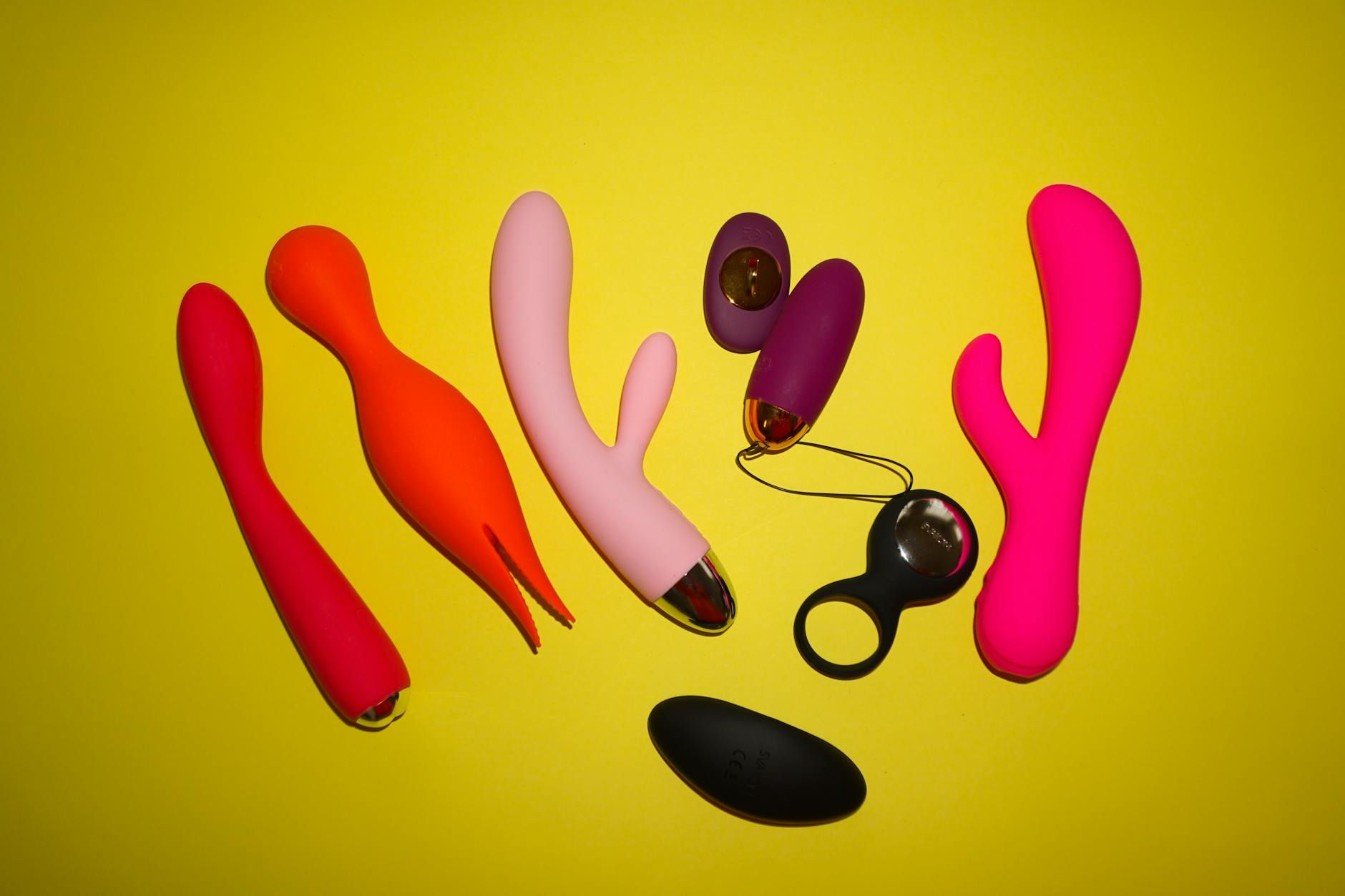
A lemon clitoral vibrator works differently during pregnancy and recovery than it does at any other time in your life. Understanding those differences is the difference between frustration and pleasure that actually feels good.
Pregnancy itself: the first and second trimester
Here's what happens early on. Pregnancy hormones flood your system. Blood flow to your genitals increases dramatically. For many people, this means heightened sensitivity and easier arousal. Orgasms can feel more intense, arrive faster, and happen more often.
Sounds great, right? The catch is that not everyone experiences this. Some people feel bloated, tender, or simply disconnected from their body. Both are completely normal.
If you're in the heightened sensitivity camp, a lemon vibrator's gentle suction works beautifully during early pregnancy because it doesn't require penetration. You can use it exactly as you would normally. The air-suction design means you're not introducing any pressure into the vagina, which is relevant if your cervix feels tender or if you're managing any spotting or discharge changes.
If sensitivity has made your usual patterns feel too intense, start with the Lem's lowest pattern (1 or 2) and gradually build. Pregnancy hormones can make your tissues swell slightly, which sometimes means the same toy feels stronger than it used to. Adjust downward and see how it feels.
The third trimester: when comfort becomes the priority
By month seven and beyond, comfort becomes everything. Your belly is large, your hips might ache, and the idea of lying on your back for extended periods sounds frankly terrible.
Lemon vibrators are brilliant here because they work at any angle. You can use one sitting up, on your side, reclined with pillows. You don't need to be in a specific position, which means you can pleasure yourself without the physical contortion that other toys or methods might require.
Three adjustments I recommend in the third trimester.
First, use more lube. Pregnancy hormones increase natural lubrication, but some people experience vaginal dryness anyway. A water-based lubricant reduces any friction and makes the experience more comfortable if you're feeling pressure or heaviness in the pelvic region.
Second, shorten your sessions. Not because pleasure is off-limits, but because sustained stimulation can sometimes trigger Braxton-Hicks contractions. These aren't labor, but they can feel alarming if you're not expecting them. Keep sessions to 15 to 20 minutes instead of 30 or more.
Third, pay attention to what feels good and what doesn't. Pressure on your lower belly might feel uncomfortable. Stimulation that's too intense might feel overwhelming. Your body is doing heavy work. It's absolutely fine to scale back intensity or frequency as you move closer to your due date.
Safety during pregnancy: what the research actually says
Let's address the biggest question directly. Orgasms during pregnancy are safe. Lemon clitoral vibrators are safe. Sex and masturbation are safe for uncomplicated pregnancies. The stimulation doesn't trigger labor, doesn't harm the baby, and doesn't increase miscarriage risk.
There are a few exceptions. If you've been told to avoid sexual activity due to placenta previa, a cervical incompetence diagnosis, or preterm labor risk, then yes, skip penetration and anything that puts pressure on the cervix. But clitoral stimulation? Even with a vibrator? Usually still fine. Always check with your provider if you're unsure.
One safety note on the vibrator itself. Make sure it's clean before every use. Pregnancy can make you more susceptible to vaginal infections. Wash your lemon vibrator with warm water and a gentle toy cleaner before and after use. If you share toys with a partner, clean between uses or use a barrier like a condom over the device.
Postpartum: the recovery phase
Now the plot thickens. Postpartum is not a single moment. It's a spectrum that lasts six weeks, six months, or longer depending on how your body heals and how you're feeling emotionally.
Weeks one through four are about healing. You're bleeding, your hormones are in freefall, and your pelvic floor is either recovering from an episiotomy, tear, or the strain of pushing. This is not the time to use a vibrator. Let your body rest. Let tissues heal.
Weeks four through six, if you had a vaginal delivery, you might feel ready to explore pleasure again. Check with your healthcare provider first. If the greenlight comes and you feel emotionally ready, a lemon vibrator can be a wonderful reintroduction because it's non-invasive. You're using it externally on tissue that's healing but also extremely sensitive and hungry for sensation.
If you had a cesarean, the timeline shifts. Your incision needs six to eight weeks to close internally. You might use a lemon vibrator externally after four to six weeks, but check with your surgeon. The scar tissue around your abdomen might make certain positions uncomfortable, so your positioning freedom becomes even more valuable.
Postpartum pleasure specifically: hormones, exhaustion, and sensation
Honestly though, the physical clearance to use a vibrator is only half the equation. The other half is whether you actually want to.
Postpartum hormones are historically low. If you're breastfeeding, prolactin suppresses estrogen, which can mean reduced lubrication, lower desire, and difficulty with arousal. This is biology, not a personal failure. It's temporary, but it's real.
You're also exhausted. A newborn doesn't sleep, and neither do you. Pleasure requires mental space, and mental space is in short supply. If you want to explore physical sensation, a lemon vibrator requires minimal effort and zero performance. You can use it in 10 minutes. You can do it sitting up while your partner holds the baby. You can stop anytime without anyone feeling disappointed.
Lubrication becomes non-negotiable postpartum. If you're breastfeeding, natural lubrication might be scarce. A silicone-based or water-based lube makes a massive difference. Your tissues are sensitive and potentially still slightly swollen, so extra glide prevents discomfort and makes sensation clearer.
Start at intensity level one or two. Your nerve endings are sensitive right now. Build slowly. If something doesn't feel good, stop. Pleasure is optional postpartum, not mandatory.
Rebuilding intimacy with a partner postpartum
If you have a partner, the postpartum period is when a lemon vibrator can actually open doors that feel stuck. Many couples experience a complete shutdown of physical affection after a baby arrives because penetration isn't available, desire is dormant, and the opportunity for any kind of touch is rare.
A lemon vibrator requires no penetration. It requires no performance from a partner. One partner can hold a vibrator while the other rests their head on their chest. It's intimate without being demanding. It maintains a thread of physical connection when everything else feels impossible.
If you're using it solo, that's equally valid. Self-pleasure postpartum is often easier than partnered sex because there's no negotiation, no pressure, no someone else's needs in the mix. You're simply doing something that feels good for your own nervous system.
The hormonal shift after weaning or stopping breastfeeding
Here's something that catches people off guard. Around three to six months postpartum, many people who are breastfeeding feel a sudden shift. Desire returns. Lubrication comes back. Sensation feels more available. This is when a lemon vibrator often becomes genuinely pleasurable again, not just a gentle exploration.
Enjoy this. Your body is coming back online. You might have sex with a partner. You might explore solo pleasure with more intensity. A lemon vibrator works beautifully at this stage because it's familiar, it's gentle on tissue that's still rebalancing, and it doesn't require the arousal threshold that penetration does.
If you're bottle-feeding or combination feeding, hormones stabilize faster. You might feel ready sooner. There's no timeline that's correct except the one your body gives you.
Pelvic floor considerations postpartum
Your pelvic floor took a hit during pregnancy and delivery. Even if you didn't tear, the muscles were stretched and weakened. This affects how pleasure feels, how sensation registers, and sometimes how orgasm happens.
A lemon vibrator's external stimulation is actually ideal here because it doesn't require pelvic floor strength to feel good. As your pelvic floor recovers and you work through physical therapy if needed, the vibrator stays useful throughout. You're not relying on muscular tone. You're just experiencing sensation.
If you're doing pelvic floor physical therapy postpartum, mention to your therapist that you want to use a vibrator. Many therapists actually recommend it as part of your retraining because it helps you reconnect with sensation in a low-pressure way.
When to see someone if pleasure isn't returning
If by six months postpartum desire hasn't returned at all, or if using a vibrator is painful, mention it to your healthcare provider. Postpartum depression and postpartum anxiety can suppress desire completely. So can thyroid dysfunction, which is common after birth. These are treatable. You don't have to accept a complete absence of pleasure as the price of motherhood.
If penetration is painful but clitoral stimulation feels fine, you might have postpartum vaginismus or pelvic floor dysfunction. Again, this is treatable with physical therapy. A lemon vibrator can support that recovery because it lets you experience pleasure while your pelvic floor is healing.
One more thing: give yourself grace
Your body grows a human, pushes it out or has it surgically removed, then feeds it from your body for months. Your pleasure might be the last item on your priority list for a while. That's not tragedy. That's triage. If and when you're ready to reclaim physical sensation for yourself, a lemon vibrator is there. No judgment. No performance required. Just your own pleasure, on your own timeline.
People also ask
Is it safe to use a lemon vibrator during the first trimester?
Yes. Clitoral stimulation with a vibrator is safe throughout an uncomplicated pregnancy. The suction-based design of a lemon vibrator is particularly gentle because it doesn't require penetration. If you've been told to avoid sexual activity due to your specific pregnancy risk factors, check with your provider, but external clitoral stimulation is usually permitted even when penetration isn't.
Can orgasms during pregnancy trigger labor?
No. This is one of the most persistent myths. Orgasms do not trigger labor. If labor were going to start, hormonal conditions are already present. An orgasm doesn't create those conditions. That said, in very late pregnancy, some people feel mild Braxton-Hicks contractions after orgasm. These are practice contractions, not labor. They pass. If you're worried, keep sessions shorter in your third trimester.
How long after delivery before I can use a lemon vibrator again?
For vaginal delivery with no complications, you can use an external vibrator once you've had your postpartum checkup and your provider has given clearance, usually around four to six weeks. For cesarean delivery, wait for internal healing, typically six to eight weeks. Always get your provider's approval first. Every person's healing is different.
Will postpartum hormones make a lemon vibrator feel different?
Yes. Postpartum hormone levels are significantly lower than during pregnancy or at baseline. This can mean reduced natural lubrication, lower desire, and different sensation. If you're breastfeeding, prolactin further suppresses estrogen. All of this is temporary. Use extra lube, start at lower intensity, and be patient with your body as it rebalances.
Can I use a lemon vibrator if I'm breastfeeding?
Absolutely. There's no medical reason not to. You might notice reduced lubrication and lower desire due to hormones, but the vibrator itself doesn't interfere with breastfeeding. Use lube, be gentle, and remember that desire often returns significantly once you start weaning or after breastfeeding ends.
What if postpartum pleasure never feels the same?
That's worth discussing with a healthcare provider, particularly if it's been six months or longer. Postpartum depression, postpartum anxiety, thyroid dysfunction, and pelvic floor dysfunction all affect desire and sensation. So do relationship dynamics and stress. A therapist or pelvic floor specialist can help you untangle what's happening and work toward solutions. You deserve pleasure again.
References and sources
American College of Obstetricians and Gynecologists. "Sexual Activity During Pregnancy." ACOG Committee Opinion. Updated 2021.
Baracaia, E., et al. "Sexual Activity and Orgasm in Pregnancy: A Systematic Review." Archives of Sexual Behavior, 2020.
Coad, J., et al. "Anatomy and Physiology for Midwives: A Comprehensive Guide." Elsevier, 5th edition, 2019.
Dewey, K.G., et al. "Maternal Weight-Loss Patterns During Extended Lactation and Influence on Lactational Performance." American Journal of Clinical Nutrition, 1993.
Finn, S., et al. "Postpartum Sexual Function: A Review of the Literature." The Journal of Sexual Medicine, 2019.
Garrow, J.S. "Energy Balance and Obesity in Man." Elsevier, 2nd edition, 1978.
Hollinshead, W.H., et al. "Anatomy for Surgeons: The Head and Neck." Harper & Row, 3rd edition, 1982.
Kingston, D., et al. "Maternal Psychosocial Adjustment and Sensitivity to Infant Cues Postpartum: Findings from the MPATHS Study." Paediatric and Perinatal Epidemiology, 2012.
Rubin, R. "Cognitive Style and Breast Feeding." Journal of Obstetric, Gynecologic & Neonatal Nursing, 1978.
Say, L., et al. "Global Causes of Maternal Death: A WHO Systematic Analysis." The Lancet Global Health, 2014.