Let's name what you're actually feeling
Your body made a person. That was wild. Now pleasure feels... different. Maybe duller. Maybe sharper in weird spots. Maybe you're not sure what you're feeling at all.
Here's the truth no one tells you: postpartum sensation changes are real, physical, and temporary. And they're way more manageable than the silence around them suggests.
What actually happens to your nervous system after birth
Pregnancy and delivery rewire your pelvic floor temporarily. Nerves get compressed during pregnancy. During vaginal delivery, tissues stretch and sometimes tear (even tiny tears, even with an episiotomy). After a cesarean, there's surgical trauma to the abdominal wall and nerves that run deep into the pelvic region.
These nerves don't just go offline forever. They're healing. But healing takes time. Typically 6 to 12 weeks of active recovery, though sensation can continue improving for a year or longer.
The clitoris itself is resilient. But the surrounding tissue, the pelvic floor muscles, and the neural pathways that connect pleasure to your brain all need time to recalibrate. That recalibration period is where most people feel lost.
Why sensation often feels muted or scattered
Three main reasons:
1. Swelling and tissue inflammation. Even weeks postpartum, there's residual swelling you can't see. This mutes sensation the same way putting on thick gloves mutes your ability to feel a button.
2. Pelvic floor guarding. Your pelvic floor muscles tighten protectively after birth. This is your body's smart instinct. But it also interrupts the normal feedback loop between those muscles and your brain. When the pelvic floor is clenched, sensation gets garbled.
3. Neurological recalibration. The nerves in your pelvic region are literally rewiring. Some signals take new routes. Some pathways feel dormant. This is temporary, but it means pleasure feels unfamiliar in ways that can be genuinely disorienting.
Add exhaustion, hormonal shifts (especially if you're breastfeeding), and the fact that your brain is running on fumes, and suddenly you understand why sex feels like something happening to someone else's body.
Why lemon clitoral vibrators work better postpartum
This is where it gets practical. If you're going to rebuild sensation, the tool matters.
Traditional vibrators rely on high-frequency buzz. That works beautifully on a fully healed clitoris. Postpartum, those signals can feel overwhelming or don't register at all. They're asking your healing nervous system to respond to noise when it's still learning the language.
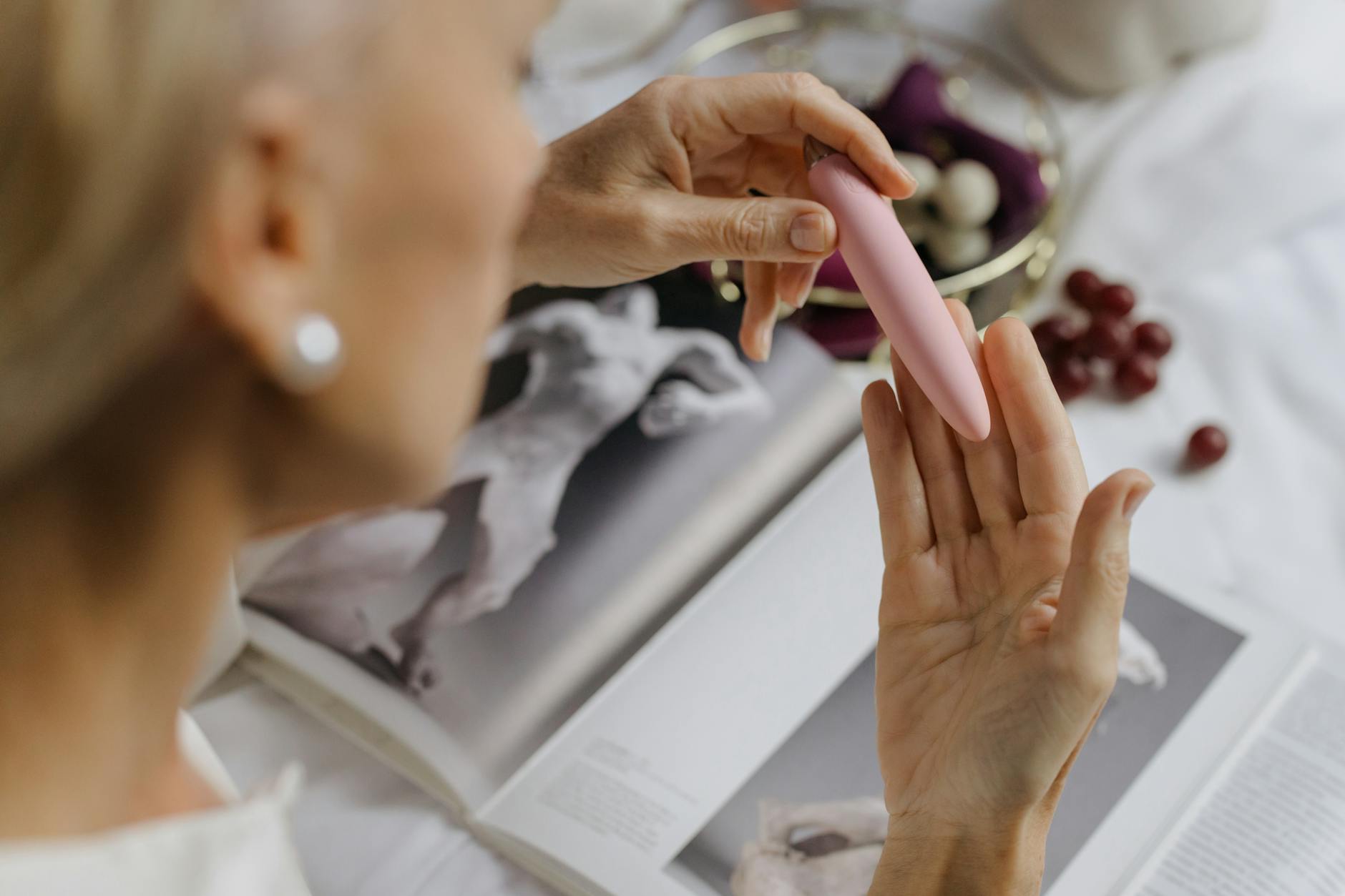
Lemon sucker toys (like the Lem vibrator by Lems Nancy Shop) use gentle suction and pulse patterns instead. Here's why that's different.
Suction works by creating a pressure vacuum that stimulates the thousands of nerve endings in the clitoris without direct friction. You can start at the lowest setting and gradually build. The sensation is broad and diffuse at first, which means your nervous system doesn't have to be "on" in the traditional way. It can just... notice. Feel. Remember.
That's the psychological part. Neurologically, suction patterns tend to rebuild sensation faster because they're triggering deeper sensory pathways that don't require the same precision of touch. Think of it as whispering to your nervous system instead of shouting at it.
How to actually use a lemon vibrator postpartum
First, check with your doctor. Typically, you can safely explore solo pleasure around 6 weeks postpartum if you've had a vaginal delivery, or 8 to 10 weeks if you've had a cesarean. But "safe to have sex" doesn't mean you'll feel normal, and that's key information.
When you're ready, here's the approach:
Start in a comfortable position. Not on your back with your legs up. Reclined. Supported. Something where you're not straining or thinking about gravity.
Use the lowest setting. On most lemon clitoral vibrators, this is often so gentle it feels like nothing at first. That's correct. You're not trying to reach an orgasm. You're learning your body again.
Apply indirect stimulation initially. If you're still tender, hover the suction device over the area rather than direct contact. Many people find external stimulation over underwear feels better in the first few weeks.
Track what you notice without judgment. Numbness? Normal. Sharp sensation? Also normal. Weird tingling? Expected. The goal is information, not performance.
Combine with breathing. Postpartum breathing is often shallow. When you focus on deeper breaths while using a lemon vibrator, you're signaling safety to your nervous system. That actually speeds sensation recovery.
Managing the emotional piece alongside the physical
Honestly, the physical changes are only half of what's happening. Your identity shifted. Your partner might feel like a stranger sometimes. Your body did something extraordinary and now belongs partially to another person (literally, if you're breastfeeding).
That psychological weight often sits on top of the sensation changes and makes everything feel worse. So rebuilding pleasure postpartum isn't just about the right toy. It's about separating three conversations: my body's healing, my emotional relationship to my body, and my intimate relationship with myself or a partner.
If you're working with a partner, they need to understand that you're not broken. You're recalibrating. That's different. There's a timeline. And the timeline isn't their timeline. It's yours.
When to reach out for professional support
Some sensation changes resolve on their own over months. Some don't. If you're 6 months postpartum and you're still experiencing significant numbness, pain, or complete absence of sensation, that's information worth sharing with your OB-GYN.
Pelvic floor physical therapy is wildly underrated postpartum. A trained therapist can identify whether you're dealing with pelvic floor tension, incomplete healing, or scar tissue that needs attention. They can also teach you how to actually relax your pelvic floor, which most people have no idea how to do.
For sensation specifically, sometimes topical treatments help during the first few months. But mostly, it's time and gentle, consistent attention.
The thing nobody says
Your pleasure didn't disappear. It's reorganizing. And reorganization periods, while they feel broken, are actually opportunities. You're learning your body fresh. You're allowed to be curious. You're allowed to say no. You're allowed to take six months figuring this out.
Most importantly, you get to decide what rebuilding looks like. A lemon vibrator is a tool that helps many people. But your timeline, your comfort, your nervous system. Those are the real drivers.
People also ask
How long after birth can I use a vibrator safely?
With a vaginal delivery, most doctors clear you for solo pleasure at 6 weeks if bleeding has stopped and you feel ready. With a cesarean, 8 to 10 weeks is more typical because the incision needs more healing. But "cleared medically" and "ready emotionally" are different timelines. Listen to your body, not the calendar.
Will my sensation come back completely?
For most people, yes. Numbness and dulled sensation are temporary side effects of healing, not permanent changes. That said, some people report their pleasure feels slightly different permanently. Not worse, just reorganized. That's real and worth sitting with.
Can using a lemon vibrator too soon cause damage?
If you're fully healed and cleared by your doctor, no. The risk is discomfort, not injury. Lemon clitoral vibrators are designed to be gentle, especially at lower settings. If something hurts, stop. But mild sensation changes from vibration are expected and not harmful.
Should I use lubricant with my lemon vibrator postpartum?
Yes. Even if lubrication isn't an issue, adding a water-based lubricant makes the sensation smoother and can reduce irritation to already-sensitive tissue. It's not a requirement, but it's usually helpful.
What if my partner wants to resume sex before my sensation feels normal?
That's a conversation to have before you try. Your nervous system's timeline isn't negotiable. His or her desire to return to sex is valid. Your need for time is also valid. These aren't in opposition. They just need to be articulated separately. Consider exploring together in ways that don't require traditional penetration while your body finishes healing.
Is it normal to feel disconnected from pleasure after having a baby?
Completely normal. Postpartum is a major trauma to your body, even when it goes smoothly. Add sleep deprivation, hormonal changes, and the identity shift of becoming a parent, and feeling disconnected is the rule, not the exception. Time, gentle exploration, and specific tools like lemon sexual toys help most people reconnect. But the timeline varies.
Moving forward
Rebuild at your own pace. Your nervous system is healing. Your pleasure is still there. Tools like lemon vibrators by Lems Nancy Shop can help bridge the gap between where you are and where you want to be. But patience with yourself is the real medicine.
If you're navigating postpartum pleasure and want guidance tailored to your situation, reach out. That's what we're here for.