
The short version: they're not the same thing
Let's get straight to it. A lemon vibrator and a traditional vibrator deliver pleasure through completely different mechanisms. Traditional vibrators buzz. Lemon clitoral vibrators use air-suction technology. One moves back and forth at high speed. The other creates a gentle sucking sensation. If you've only ever used one, switching to the other feels genuinely surprising.That doesn't make one objectively better. But it does mean you're not getting the same experience, and knowing the difference helps you pick what actually works for your body.
How traditional vibrators actually work
Most vibrators on the market operate on a simple principle: a motor causes the tip or head to vibrate rapidly side to side or up and down. The stimulation is direct. Your nerve endings register motion and intensity. You control pleasure primarily through speed settings. Higher speed equals stronger sensation. Lower speed equals gentler sensation. Intensity builds and releases in fairly linear ways.
Traditional vibrators come in every shape: wands, bullets, rabbits, eggs. The material matters too. Silicone holds vibration differently than glass or metal. Smaller toys can feel more intense because the vibration concentrates in a tinier area. Larger toys diffuse it. Most people intuitively understand traditional vibrators because they've been the market standard for decades.
The downside: direct vibration can fatigue the nerves over time. Some people report that after years of vibrator use, the same speed that used to bring them to orgasm now barely registers. This is nerve desensitization, and it's real and reversible, but it's also frustrating.
How lemon vibrators work
Lemon clitoral vibrators use air-suction technology instead of vibration. Think of it less like a vibrator and more like a gentle vacuum. The toy creates a seal around the clitoris and pulses air, mimicking oral suction. There's no motor making things shake. Instead, the sensation comes from pressure waves and suction.
This is wildly different. The stimulation feels broader and more diffuse than traditional vibration. It engages different nerve pathways. Some people describe lemon vibrators as feeling like someone gently sucking. Others say it feels like pressure or pulsing. The experience is less about intensity and more about sensation variety.
One key advantage: because the technology doesn't rely on direct friction or high-speed vibration, it's gentler on sensitive tissue. If you have vulvodynia, nerve sensitivity, or just a clitoris that feels raw after traditional vibrator use, lemon suction toys often feel better.
What's actually different: sensation mapping
Here's where it gets interesting. Your clitoris has roughly 8,000 nerve endings. Traditional vibrators activate them through rapid mechanical stimulation. The sensation pathway is: speed input, nerve response, orgasm. Fairly direct.
Lemon vibrators activate the same nerve endings but through suction and pressure waves instead of buzz. The sensation feels warmer and more diffuse. Many people find the arousal builds differently. Instead of sharp peaks, you get rolling waves. Instead of on-off intensity, you get graduated pressure. Your body might take longer to reach orgasm, but some people find the orgasm itself feels fuller.
This is why switching from traditional vibrators to lemon clitoral vibrators requires a mental reset. You're not using the same tool in the same way. You're using a different tool entirely.
Speed and intensity: how they differ
Traditional vibrators typically offer 5-15 speed settings. You scroll through them, find your sweet spot, and stick there. Speed correlates directly to intensity. More power equals more sensation. It's predictable.
Most lemon vibrators offer fewer settings, usually 3-7. But because the mechanism is different, you can't compare them one-to-one. Setting 3 on a lemon sucker doesn't feel like setting 3 on a traditional vibrator. Setting 5 on a lemon vibrator might feel softer or more intense depending on the specific toy's design and the seal around your clitoris.
This is why people sometimes find lemon vibrators frustrating at first. They expect intensity to work like they're used to. When it doesn't, they assume the toy is weak. Often the toy is working exactly as designed. Your technique or expectation is misaligned.
Comfort and tissue sensitivity matter more than you think
If you've been using traditional vibrators for years, your clitoral tissue is probably adapted to that stimulation style. Switching to suction technology sometimes feels amazing immediately. Sometimes it feels weird or too soft at first. Your nerve endings need time to recognize what's happening.
For people with sensitive clitorises, vulvodynia, or those recovering from sexual trauma, lemon vibrators often win. The suction mechanism doesn't create the same concentrated pressure that traditional vibrators do. It feels less invasive. Over time, many people report that suction toys actually increase their nerve sensitivity, which is the opposite of what happens with traditional vibrator overuse.
For people with numb or desensitized tissue, lemon vibrators can feel too gentle at first. You might need patience. You might also benefit from combining suction with a traditional vibrator for variety.
Battery life and durability
Traditional vibrators vary wildly. Some last 30 minutes per charge. Some last 3 hours. It depends on the motor size and battery. Most rechargeable vibrators take 1-2 hours to charge.
Lemon suction toys typically have shorter battery life because the suction motor is more power-hungry than a standard vibration motor. Most get 60-90 minutes per charge and take 1-2 hours to recharge. If you're using it for longer sessions, you might notice the battery runs down faster than your old vibrator did.
Durability is comparable. Both types last years with proper care. Air-suction toys need a clean seal to work well, so you need to keep the silicone head soft and clean. Traditional vibrators just need basic maintenance too. Neither is inherently more durable.
The pleasure variable: orgasm feel and quality
This is the part nobody talks about clearly. Some people report that orgasms from traditional vibrators feel sharp and release-based. You build intensity, you peak, and then you're done. It's satisfying.
Orgasms from lemon clitoral vibrators often feel different. Some people say they feel fuller or longer. Some say they can have multiple orgasms more easily with suction because the sensation doesn't create the same neurological shutdown that traditional vibrators do. Some people find suction less intense overall and therefore less satisfying.
There's also a psychological element. If you expect traditional vibration, suction might feel wrong initially. If you go in curious and open-minded, you might find you prefer it. I've worked with couples who switched to lemon vibrators specifically to rebuild sensation together after years of partnered sex felt stale. Novelty alone sometimes reignites things.
When to stick with traditional vibrators
You don't need to switch if what you're using works. If traditional vibrators bring you to orgasm reliably and you're happy with the sensation, there's zero reason to change. Not every tool needs updating.
Stick with traditional vibrators if:
You need intense, focused stimulation and suction feels too diffuse for you. You like the directness and predictability of speed settings. You prefer shorter warm-up time and faster climax. Your clitoris responds best to high-frequency buzz. You've found a specific toy that's genuinely perfect and you want to keep using it.
When lemon vibrators might be the better choice
Consider switching if you've noticed nerve fatigue or numbness from traditional vibrators. If you have tissue sensitivity or vulvodynia and traditional vibrators feel too intense. If your arousal has been slow recently and you want to experiment with different sensation.
Also consider a lemon vibrator if you're rebuilding physical connection after a long absence and you want to reawaken sensation differently. Newness can help. Air-suction lemon clitoral vibrators feel novel to most people, which sometimes unlocks pleasure patterns that familiar tools couldn't.
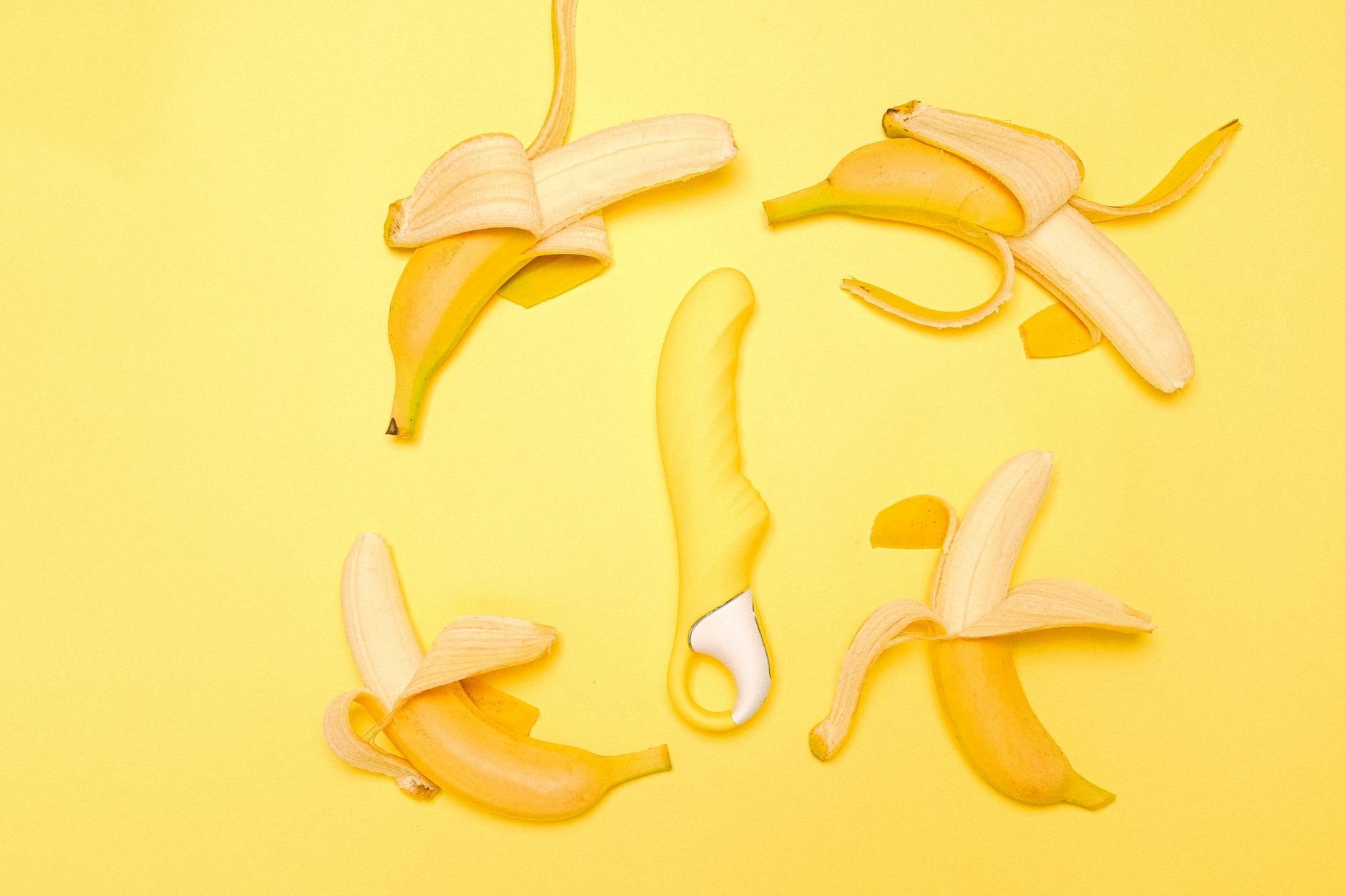
Photo by Anna Shvets on Pexels
How to actually try both without wasting money
If you're curious but hesitant, here's the practical path. Borrow one if you can. Ask a friend or partner who owns a lemon vibrator if you can experiment. This sounds awkward but it's actually less awkward than buying something expensive and hating it.
If borrowing isn't an option, start with a mid-range lemon vibrator rather than a luxury toy. You'll spend less money while you figure out if suction technology works for your body. The basic versions often work just as well as premium ones. You don't need bells and whistles to test whether this sensation pattern suits you.
Give yourself at least three sessions before deciding. Your nervous system needs time to recognize and respond to new stimulation. What feels weird on attempt one often feels interesting by attempt three.
The real question: both?
Honestly, many people find that keeping both types on hand gives them options. Some days traditional vibration hits right. Some days suction feels better. Some days you want to combine them. Your body isn't static. What works changes based on your cycle, stress level, time of day, and what else is happening in your life.
Switching from traditional vibrators to lemon clitoral vibrators isn't about one being superior. It's about having access to different sensation pathways. Your clitoris has thousands of nerve endings. Traditional vibrators activate them one way. Lemon vibrators activate them another. More options means more possibilities for pleasure.
People also ask
Can you use a lemon vibrator if you've only ever used traditional vibrators?
Absolutely. Your body will adapt. Some people find lemon vibrators better immediately. Some need a few tries to adjust. The sensation is different enough that you might not love it on attempt one, but that's a learning curve, not a sign the toy is wrong for you. Give yourself permission to feel uncertain at first.
Do lemon vibrators hurt if your clitoris is sensitive?
Not typically. In fact, many people with sensitive clitorises find them gentler than traditional vibrators because suction spreads stimulation across a wider area. That said, if the seal feels too strong, you can adjust your position or try a lower suction setting. The experience should feel good, not painful.
Is there a point where lemon vibrators stop working like traditional vibrators did?
Nerve desensitization happens less frequently with suction technology because it uses a different stimulation mechanism. That said, if you use any toy intensively for years, you might need variety. Rotating between different sensation types (suction, vibration, different patterns) keeps your nervous system engaged.
Which type is better for partners to use together?
That depends on what you both want. Traditional vibrators are easier to control during partnered sex because speed and intensity are straightforward. Lemon vibrators require more precise positioning to maintain the seal. Some couples find the suction feeling more intimate because it demands attention and presence. Others prefer the simplicity of traditional vibration. The best choice is the one you both want to try.
Can you use lemon vibrators if you take antidepressants?
Yes. Sexual side effects from antidepressants (like numbness or difficulty with orgasm) sometimes improve with different stimulation patterns. Some people find lemon vibrators work better for their bodies than traditional vibrators when they're on SSRIs. This is worth experimenting with, though it's not guaranteed.
How do I know if I need to switch?
You don't. If traditional vibrators are working for you, keep using them. But if you've noticed your pleasure has plateaued, or your clitoris feels less responsive than it used to, or you're just curious, a lemon vibrator is worth trying. Novelty itself sometimes awakens sensation that routine dulls. Even if you ultimately stick with traditional vibrators, you'll have learned something about what your body actually responds to.
The core truth: there's no one right tool. There's what works for your body right now. And that changes. Lems Nancy Shop makes both air-suction lemon vibrators and other styles because different people need different things. Your pleasure isn't about being loyal to one type. It's about knowing what you actually want and having the freedom to choose it.
If you want to talk through what might work best for your specific situation, reach out. Sometimes just talking through options makes the choice clearer.