Let's talk about what nobody mentions
When you start hormonal therapy or testosterone replacement, pleasure changes. Not in the "oh no" way people whisper about. In the "wait, I'm experiencing something completely different" way that catches you off guard if you weren't warned. Your clitoris gets more blood flow, tissue thickens, nerve sensitivity shifts. The sensation that worked last month might feel too intense, too subtle, or weirdly positioned this month.
This matters because most people assume their pleasure setup is permanent. It isn't. And a lemon clitoral vibrator, designed around suction rather than direct vibration, handles these transitions better than traditional vibrators do.
How hormonal therapy rewires clitoral response
Testosterone (yes, testosterone is vital for pleasure in everyone) increases blood flow to the clitoris. This happens whether you're starting TRT, adjusting birth control, or moving through natural hormone shifts. More blood flow sounds great in theory. In practice, it changes everything about how sensation registers.
Your clitoral tissue becomes more engorged and sensitive. The structure itself changes slightly in firmness. For some people, this means direct vibration that felt perfect before now feels almost aggressive. For others, the heightened sensitivity unlocks sensations they've never experienced. Both are real. Both require recalibration.
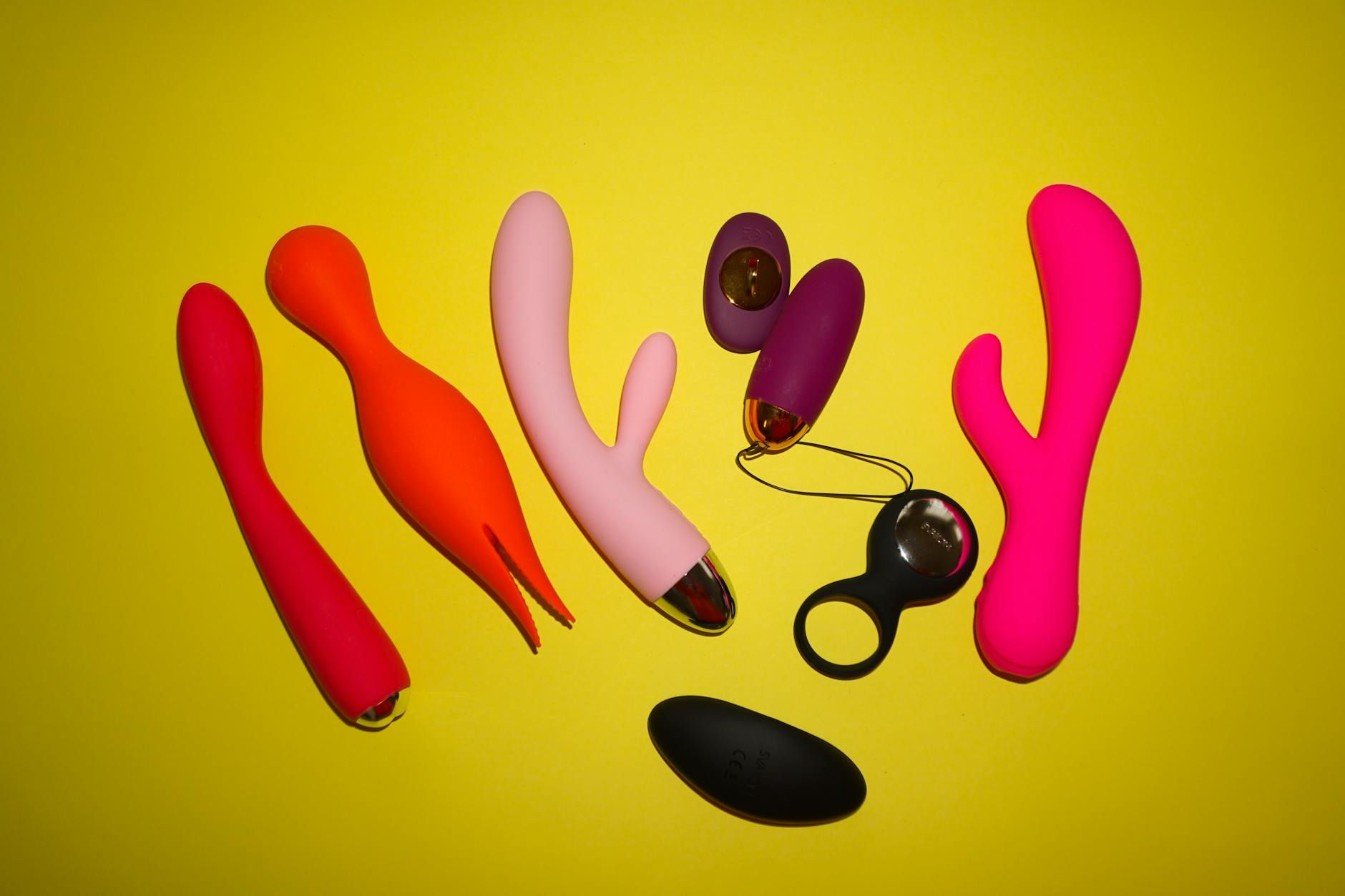
A lemon sucker vibrator works differently than a traditional lemon sexual toy because it creates suction rather than focused vibration. Suction distributes pressure more evenly across the clitoral area, which means:
- Less intensity per square millimeter of tissue
- Stimulation that responds to your natural blood flow rather than fighting it
- Easier adjustment of pressure without changing the fundamental tool
What changes in the first month
Most people notice shifts within two to four weeks of starting hormonal therapy. The intensity comes first. Things feel more pronounced. A lemon vibrator on pattern three might suddenly feel like pattern five.
Sensitivity to indirect stimulation often increases too. You might find you can reach orgasm through thigh pressure or vulval stimulation alone, without clitoral contact. Some people experience this as liberation. Others feel overwhelmed by how easily sensation now triggers. Neither response is wrong.
The position that always worked might feel off. This is because of subtle shifts in clitoral angle and tissue engorging. Spend time mapping what feels right now, not what worked before. This is genuinely useful information, not a sign something is broken.
Why lemon clitoral vibrators adapt better than wands
Wand vibrators deliver consistent, broad vibration. They're reliable, but during hormonal transitions, that reliability becomes a limitation. You can't easily modulate the sensation.
Lemon suction vibrators, by design, work with your body's blood flow and natural response. The suction pattern pulls gently at the tissue rather than hammering it. This means:
- You can control intensity simply by changing suction strength on the device, not by repositioning
- The sensation adapts as your tissue changes throughout your cycle or hormone adjustment
- Arousal builds differently, often more gradually and with more texture
If you're three weeks into hormonal therapy and your usual toy feels borderline painful, switching to a lemon clitoral vibrator from Lems Nancy Shop designed around suction patterns gives you a tool that scales with your body's changes, not against them.
Timing within your adjustment period matters
The first four to six weeks are the wild west of sensation. Your body is literally rebuilding itself at a tissue level. During this time, experiment with lower patterns and longer warm-up periods. A lemon vibrator on pattern one or two can deliver more sensation than you'd expect because of the suction mechanism.
Around week six to eight, you'll start noticing a new baseline. This is when you can actually figure out what your "new normal" pleasure looks like, rather than chasing what used to work.
If you're in a partnership, this timing matters too. Your partner's touch might feel more or less intense to you. Direct stimulation could feel invasive when it never did before. Having a lemon sucker you can control yourself means you're not managing someone else's pressure while also adjusting to your own body's changes.
The emotional layer that changes too
Hormonal therapy often arrives with permission. For some people, it's literal medical clearance to transition or adjust their body. For others, it's the moment they finally feel themselves. Both create emotional shifts that layer on top of the physical ones.
Your brain's pleasure pathways don't care about your hormones as much as you'd think. They care about safety, attention, and novelty. If starting hormonal therapy means you feel safer in your body, pleasure often follows naturally. The tool itself becomes less important than the fact that you're finally okay with using it.
This is where patience matters more than equipment. A lemon vibrator helps, but it's not magic. What changes the experience is you becoming familiar with this new version of your response. That takes time.
Common sensation shifts and how to navigate them
Organisms that used to take ten minutes now take thirty? Totally normal. Your body is still mapping the new pathways. Don't interpret slower arousal as worse arousal.
Orgasms that feel different in texture or intensity are also par for the course. Some people describe post-hormone-shift orgasms as deeper or more full-body. Others say they're sharper but briefer. Neurologically, both make sense given how hormones affect nerve endings and muscle response.
If a lemon clitoral vibrator triggers cramping or discomfort, that's a sign to scale back. Not to push through. Your body is adjusting. Give it grace. Use the toy on lower patterns, spend more time on warm-up, and consider adding a water-based lubricant even if you've never needed one. Hormonal shifts sometimes affect natural lubrication.
The "numb" feeling some people experience is usually not actually numbness. It's often hypersensitivity overload. Your nervous system is flooded. The solution is paradoxically gentler stimulation, not harder. A lemon suction vibrator at a lower intensity can actually break through this better than aggressive vibration.
When to check in with a doctor
If pain appears during or after sexual activity, mention it to your prescribing doctor. This is different from sensation shifting. Pain is your body signaling distress.
If you're experiencing clitoral swelling that doesn't go down within a few hours of using a toy, that's information worth discussing with your provider too. You might need a lower suction strength or gentler stimulation pattern.
Most sensation changes during hormonal therapy are normal and temporary. But persistent pain or swelling isn't something to power through with a better toy. It's something to address with medical guidance.
The pleasure reckoning that comes after
Here's the thing nobody tells you. Once you're three to six months into hormonal therapy and your body settles into its new baseline, many people discover that their sexual response is actually better. Not universally. But often.
The hormonal shifts that felt chaotic and overwhelming in month one? They've become your new normal. Your clitoris is more responsive. Your orgasms might be easier to reach or more intense. Your ability to self-soothe through touch gets sharper.
A lemon clitoral vibrator becomes less of a accommodation tool and more of a genuinely preferred option, not because your body changed, but because you learned how to work with it.
FAQs on lemon vibrators and hormonal transitions
Do lemon vibrators work better than regular vibrators after starting hormonal therapy?
Not "better" universally, but differently. Lemon suction vibrators distribute pressure more evenly, which many people find more comfortable during hormonal adjustment when tissue sensitivity is in flux. You can also modulate suction strength independently, which gives you more control over intensity as your body recalibrates. Traditional vibrators have a fixed intensity pattern, which can feel overwhelming if your sensitivity has spiked.
How long does sensation shift take during TRT or hormone therapy?
Most noticeable changes happen in the first four to six weeks. That's when clitoral blood flow increases and tissue thickens. By week twelve, most people have a new baseline they can recognize and work with. That said, your pleasure response will continue evolving as your hormones stabilize. Plan for three to six months of gradual adaptation, not a sudden flip.
Can I use the same lemon vibrator settings I used before starting hormonal therapy?
Almost certainly not in the first month. If your usual pattern felt perfect before, it might feel too intense now. Start two to three levels lower than you're used to. As your body adjusts, you can climb back up, but there's no rush. Some people find they actually prefer lower intensity settings after hormonal adjustment, even once they're fully settled.
Will hormonal therapy make me unable to orgasm if I experience numbness?
No. What feels like numbness is usually overstimulation of your nervous system. Your brain is receiving more signal than it knows how to process. The solution is gentler, more focused stimulation, not more aggressive. A lemon clitoral vibrator on a low suction setting often works better than intense vibration when you're in this state. You're not broken. Your nervous system is just loud right now.
Should I use lubricant with a lemon vibrator during hormone adjustment?
Yes, even if you've never needed it. Hormonal shifts can affect natural lubrication in ways unrelated to arousal. Water-based lubricant creates a better seal for suction toys and often makes the sensation feel more integrated rather than grabby. It's not about lack of arousal. It's about creating optimal conditions for your body's new response.
How do I know if my sensation changes are permanent or temporary?
Give it six months. Most sensation shifts during hormonal therapy peak in the first four to six weeks, then gradually stabilize. If something feels different at month six than at month two, that's closer to permanent. But even then, your body continues evolving. Rather than looking for "permanent," look for patterns. What feels good consistently now? That's your new baseline.
What comes next
Your pleasure after hormonal therapy isn't a return to baseline. It's a new baseline entirely. The tools you use matter less than your willingness to get curious about what your body is actually asking for right now, not what it asked for six months ago. A lemon vibrator helps because it's designed to adapt, not dominate. But your attention and patience are the real game-changers.
If you're navigating hormone shifts alongside a partner, consider reading about <a href="/blog/how-to-introduce-lemon-vibrator-to-partner-without-awkwardness">introducing a lemon vibrator to your partner without awkwardness</a>. Communication during physical transitions is just as important as the tool itself. You might also find it helpful to explore <a href="/blog/how-lemon-vibrators-feel-different-across-your-cycle">how lemon vibrators feel different across your cycle</a>, which covers similar territory around shifting sensation in practical terms.
Your body's changes aren't punishment. They're information. Listen to them.