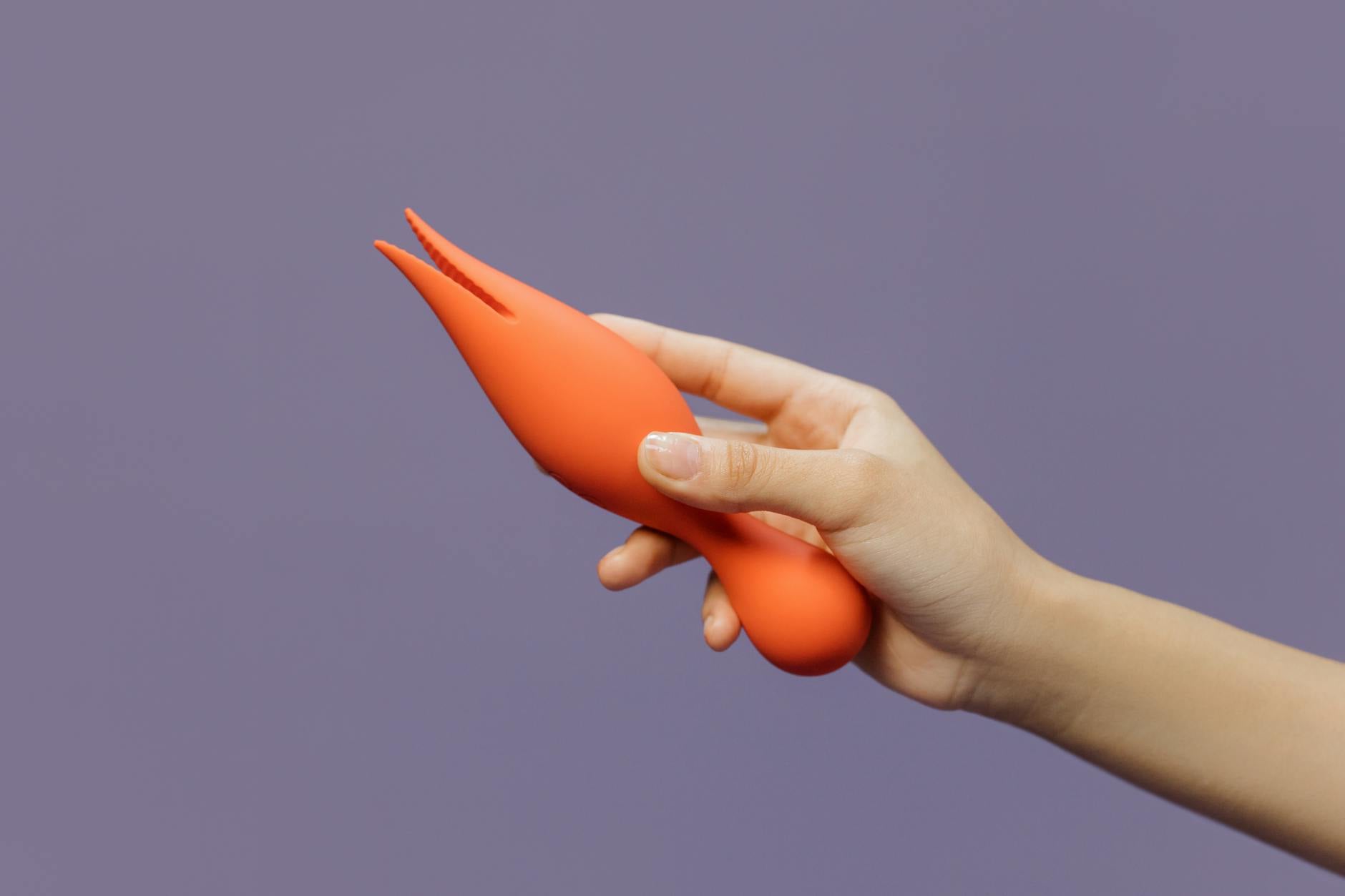
Here's the thing about pleasure and new partners
Your body doesn't exist in a vacuum. When you bring a lemon clitoral vibrator into a new relationship, you're not just introducing a tool. You're introducing a whole context. New partner energy, different rhythm, unfamiliar hands, a different dynamic. And yes, your lemon vibrator is going to feel different. Not broken. Different.
The question isn't whether it'll change. It's understanding why, and whether the change is something to lean into or troubleshoot.
What actually changes when the person changes
Let me break down the neurology first, because it matters. Your arousal isn't just physical. About 70 percent of it lives in your brain. And your brain is a people-reader. It picks up on tempo, pressure, attention, whether your partner is actually present with you or checking their phone.
When you switch partners, your nervous system is starting over. You don't have the shorthand yet. You don't know what their touch means, how they interpret your feedback, whether they're going to listen when you say "slower." That uncertainty, even if it's exciting, creates a different sensory landscape.
Your lemon clitoral vibrator works the same way technically. The suction is the suction. But the emotional container around it is completely new. And that container affects everything. Some people find they need more warm-up time with a new partner. Some find they need less, because the novelty itself is arousing. Some find their clitoris feels more sensitive, or less responsive, depending on how safe they feel.
That's not a sign your lemon vibrator stopped working. That's neurology.
The vulnerability factor nobody talks about
Using a clitoral vibrator with a new partner requires you to be visible in a way solo play doesn't. Someone is watching you receive pleasure. Someone is learning what you like. You might not feel comfortable going to the intensity levels you'd use alone. You might feel embarrassed about the sounds you make, or worried you're taking too long.
This is where communication becomes the actual tool. More important than the lemon vibrator itself.
I work with couples where one person brings a vibrator into the new relationship and then feels awkward about it. Often they're not awkward about the vibrator. They're awkward about being that visible. The fix isn't a different toy. It's a conversation with your partner about what you actually want, and what you're actually worried about.
Try this: before you bring your lemon vibrator into partnered play, tell your partner why you want to use it. Not "because I need it to come" but the real reason. Maybe it's "I want to show you what I like." Maybe it's "I feel calmer when I use it because I know I can control the intensity." Maybe it's "I want us to explore this together." That context transforms how your partner receives it.
The speed and intensity recalibration
Honestly though, this is where a lot of new partners hit friction. If you've been using a lemon clitoral vibrator solo, you know your preferred pattern. You know whether you like to start on low and build, or jump straight to your favorite speed. You know the exact angle that works.
With a new partner, you might feel pressure to rush. Or you might feel self-conscious about asking for what you want. And suddenly your lemon vibrator feels too intense, or not intense enough, when really it's just that you're in a different headspace.
The solution is not to abandon your vibrator or buy something different. It's to set a boundary around pacing. Tell your partner: "I need 20 minutes of warm-up before the vibrator comes out." Or "I like to use this solo first, then you can join." Or "I want to control the speed tonight." These aren't rejections of your partner. They're invitations to a different kind of intimacy.
Pressure and the myth of simultaneous orgasm
A lot of people bring a lemon vibrator into new relationships hoping it'll "fix" arousal mismatches. One person gets there fast, the other person takes longer. So maybe a vibrator will speed things up, or slow things down, and suddenly you'll come at the same time.
That's not how bodies work.
What actually happens is that adding a vibrator sometimes creates more pressure, not less. Now you're worried about whether the vibrator is working, whether you're doing it right, whether your partner is getting bored, whether you're taking too long with this tool that's supposed to be faster.
Your lemon clitoral vibrator works best when nobody's keeping score. When you're using it because it feels good, not because it's supposed to solve a mismatch. With a new partner, that pressure can be especially intense because you're still building trust and don't want to seem high-maintenance.
Here's my suggestion: the first time you use a vibrator with a new partner, don't aim for an orgasm from it. Use it to explore. Use it to show them what you like. Use it as foreplay. Take the performance pressure completely off. Once you've done that a few times, the actual experience becomes way less fraught.
When to keep it solo, at least for now
Some people bring a vibrator into new relationships too quickly out of enthusiasm, and then feel weird about it. That's okay. You don't have to integrate your lemon vibrator into partnered play just because you own one.
There's absolutely nothing wrong with keeping your solo tools separate from your partnered life, at least until the relationship has some foundation. Some couples do that forever. Some people keep certain toys solo and introduce others when trust and communication are stronger.
The point is: your lemon vibrator is yours. The timeline for when and how you share it is yours. A new partner doesn't get an automatic ticket to every part of your pleasure.
That said, if you do want to bring it in, the time to do that is when you can have an actual conversation about it. Not five minutes before sex. Not while you're already in the middle of things. A real sit-down conversation where you can say what you want and actually hear what your partner thinks.
Reading your partner's actual reaction
Here's something I see a lot: one person brings a lemon clitoral vibrator into a new relationship, their partner seems supportive, and then they convince themselves their partner secretly doesn't like it. Usually that's projection. But sometimes it's not.
Some partners are genuinely uncomfortable with vibrators. Maybe they feel emasculated. Maybe they think it means they're not enough. Maybe they've never seen one before and it's weird. That's information you need to have. But you only get that information through asking.
Don't assume your partner's reaction based on their silence. Ask directly. "How did that feel for you?" "Do you want to do that again?" "Is there something you'd change?" Their answers might surprise you. They might be worried about exactly the same thing you are. New partner energy is weird for everyone.
The role of rhythm and presence
What actually changes with a new partner isn't your clitoris or the vibrator. It's presence. You're present with someone new. Your nervous system is in a different state. Maybe you're more activated. Maybe you're more guarded. Maybe you're paying more attention to whether your partner is present with you, or whether they're going through motions.
Your lemon vibrator will feel different because you feel different. That's not a bad thing. Often it's information. If a vibrator that usually works suddenly feels less satisfying with your new partner, that might be worth exploring. Not "something's wrong with the tool," but "what's different about this dynamic?"
Sometimes the answer is "I'm not that into this person and my body knows it." Sometimes it's "I feel embarrassed and I need to talk about it." Sometimes it's "I'm still healing from my last relationship and I need more time." Your body is telling you something. Listen to it.
The conversation framework that actually works
If you want to bring a lemon vibrator into your new relationship, here's what works: start from curiosity, not expectation. "I use a vibrator sometimes and I like it. I'm wondering if you'd want to explore that together at some point. No pressure. Just curious."
Then listen to what they say. If they're interested, great. Pick a time. Set expectations. If they're hesitant, ask why. If they're not interested, respect that. You can still use your vibrator solo.
The couples I work with who integrate toys successfully are the ones who treat it as collaborative discovery, not as "here's what I need." Your lemon vibrator is an extension of your pleasure, not a substitute for communication with your partner.
If communication is already shaky in your new relationship, bringing a vibrator into the mix won't fix it. It'll just add another layer. Build the talking part first. The toys can come later.
Reframing what "different" actually means
So your lemon clitoral vibrator feels different with a new partner. That might mean it takes longer to orgasm. It might mean you need more warm-up. It might mean you feel more sensitive, or less. It might mean you want different patterns than you used to.
None of that means the vibrator is the problem. It means you are a human being in a new relational context, and your body is responding authentically to that.
That's actually valuable information. Pay attention to it. Use it to understand what you need. Communicate it to your partner. And if the dynamic doesn't shift over time, or if you realize your bodies just don't mesh the way you hoped, that's information too.
Your pleasure matters. Your lemon vibrator is a tool for that pleasure. And the relationship you use it in has to support that, not complicate it.
People also ask
Can I use my lemon vibrator right away with a new partner or should I wait?
Wait until you've had at least a few conversations about pleasure, boundaries, and what you both like. Using a vibrator in the first few weeks might feel premature and add pressure to an early-stage relationship. Give yourself time to build comfort with your partner first. When you do introduce it, frame it as exploration, not necessity.
What if my new partner seems uncomfortable when I mention my lemon clitoral vibrator?
That discomfort is worth exploring, not ignoring. Ask them directly what's coming up for them. Is it fear you'll need it instead of them? Unfamiliarity with vibrators? Cultural messaging about what's "normal"? Once you understand the real concern, you can address it. Many partners feel more comfortable after they understand why you like using one and how it actually enhances the experience.
Does using a lemon vibrator with a new partner mean my body is changing or that I have a problem?
No. Your body is responding to a new context, new hands, new energy, and new emotional dynamics. That's totally normal and healthy. Your nervous system is being sensible. It doesn't mean there's anything wrong with you, your partner, or your vibrator. It just means you're human.
How long does it take to feel "normal" with a lemon vibrator around a new partner?
Typically 4 to 8 weeks of regular partnered play, assuming communication is strong. Some couples feel comfortable immediately. Others take longer. There's no timeline. What matters is that you're both checking in and adjusting as needed. If it's been 3 months and you still feel awkward, that might be worth exploring in a different way.
Should I use my lemon vibrator solo first if I'm introducing it to a new partner?
Yes, absolutely. That reminds your body what you actually like when there's no pressure and no one watching. It also gives you confidence when you eventually use it with your partner because you know what works. You're not figuring it out in real time while someone else is present.
What if my new partner wants to control the lemon vibrator and I don't feel ready?
Then you say that. "I'd love to use this together, but I need to control it for now." That's a completely reasonable boundary. Over time, as trust builds, you might feel different. But forcing yourself to hand over control before you're ready will only make the whole experience feel unsafe. Your comfort comes first.
The real bottom line
Your lemon vibrator didn't change. You did. And that's okay. Bring curiosity to the shift instead of judgment. Talk to your partner. Pay attention to what feels good and what feels off. And remember that integrating a tool into a new relationship is an act of trust and communication, not just a technical upgrade.
If you want support navigating these conversations with your partner, we're here. Reach out and let's talk about what you need.
Evelyn Granieri is a Marriage and Family Coach specializing in emotional intimacy and relationship transitions. Her clinical approach blends evidence-based attachment theory with practical communication frameworks for modern couples navigating pleasure, vulnerability, and desire.