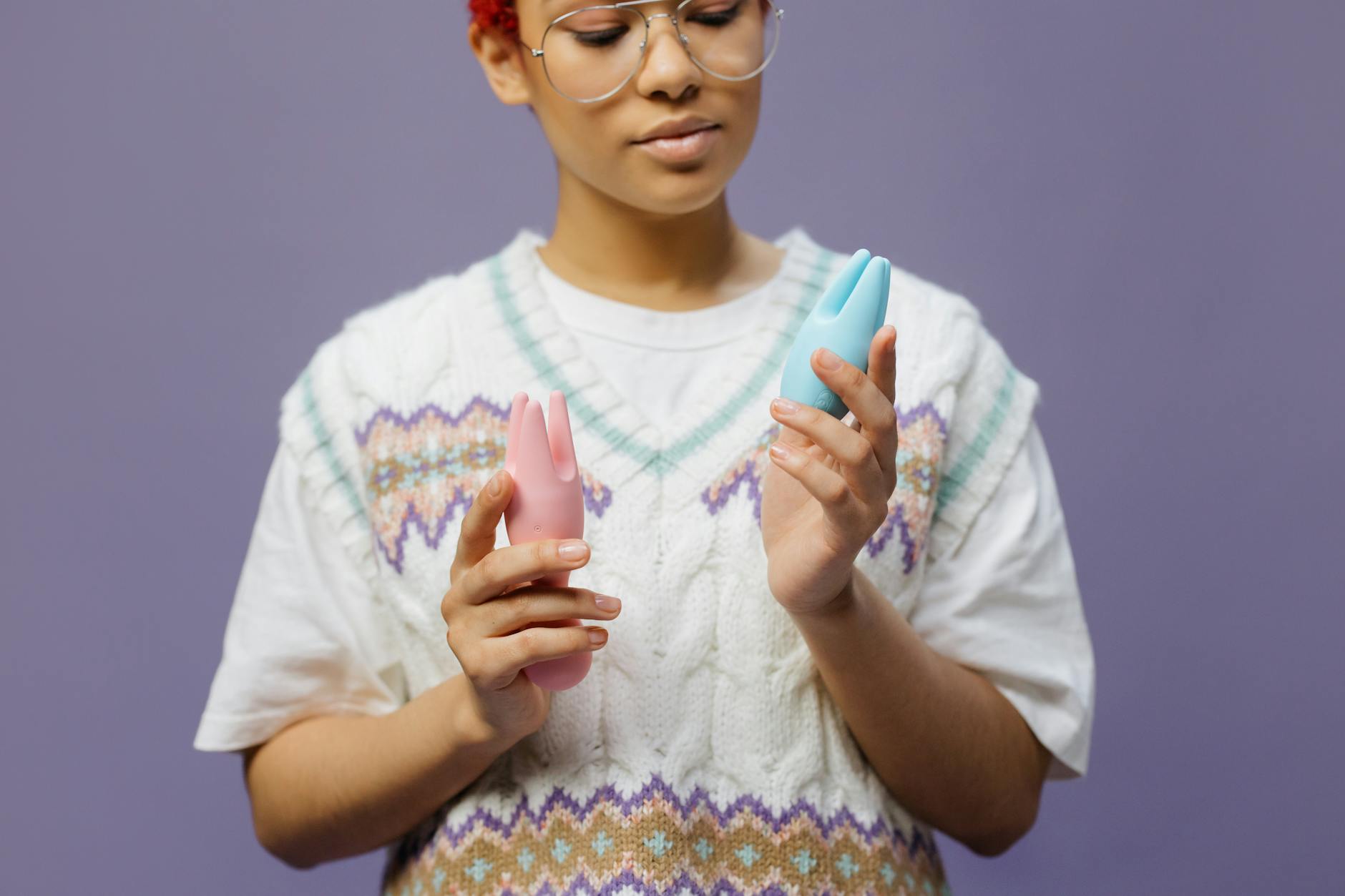
Best Lemon Clitoral Vibrator for Sensitive Skin and Irritation
If you have sensitive skin, buying a vibrator feels like playing Russian roulette. You finally find something that looks promising, bring it home, and twenty minutes in your clitoris is red and angry. Then you're stuck wondering whether it was the material, the intensity, the lubricant, or just your body saying no.
Here's what I've learned working with clients navigating this exact frustration: the right lemon clitoral vibrator can feel incredible for sensitive skin. But "right" doesn't mean the most expensive toy or the one with the most features. It means understanding what your skin is actually reacting to.
What actually causes irritation (it's usually three things)
Your clitoris is covered in thinner, more porous skin than most of your body. It has fewer oil glands and higher nerve density. That's why it feels so good when stimulation works. It's also why irritation hits harder.
Most reactive responses fall into one of three categories.
Material sensitivity. Some bodies react to silicone, even medical-grade silicone. Others are fine with silicone but react to coatings, phthalates, or the antimicrobial agents some manufacturers add. A few people are sensitive to the specific polymer blend itself. The way to test: if redness appears within 5-10 minutes and you haven't changed lubricant or intensity, material is likely the culprit.
Friction irritation. Even the smoothest toy creates friction if there's not enough lubrication or if you're using it too intensely too soon. Your clitoris doesn't have natural lubrication like your vagina does. It relies entirely on what you apply. Many people with sensitive skin rush the warm-up or skip lube and blame the toy.
Frequency sensitivity. Some clitori are irritated by high-frequency vibration patterns but respond beautifully to suction or lower-frequency patterns. A lemon sucker or a lemon vibrator with gentle, pulsing settings might work when a standard vibrator causes inflammation.
Why lemon vibrators and suction toys often work better for reactive skin
A traditional wand vibrator creates a lot of surface friction. A lemon clitoral vibrator uses suction, which works differently. Instead of buzzing against tissue, it creates a gentle, rhythmic pull. This means less friction, less heat buildup, and often less irritation.
Because suction stimulates nerves through pressure rather than vibration, many clients with sensitive skin find that a lemon vibrator delivers intense sensation without the inflammation that comes with direct buzzing. You also have more control over intensity since you can adjust the seal.
For people with reactive skin, this distinction matters wildly. You get strong stimulation without the mechanical stress that traditional vibrators create.
Material choices that matter
If you're buying a lemon clitoral vibrator for sensitive skin, material is non-negotiable.
Medical-grade silicone is the gold standard. It's inert, meaning your body isn't triggering an immune response to it. But here's the catch: not all medical-grade silicone is the same. Some manufacturers use additives or use cheaper silicone blends and still call them "medical-grade." If a toy is unusually cheap, the material is likely compromised.
Stainless steel toys are another option for sensitive skin. Steel doesn't off-gas, doesn't break down, and is genuinely hypoallergenic. Some lemon adult toys have steel components or heads. If you react to silicone, this might be your answer. The downside is steel doesn't feel quite as warm or forgiving as silicone.
Glass or ceramics are less common in lemon vibrators specifically, but if you've found they work for you elsewhere, you now know what to look for.
What to avoid: PVC, jelly rubber, and anything described as "rubber" without material specification. These off-gas, break down over time, and are common culprits in sensitivity reactions.
How to test a new toy without spiraling into irritation
Honestly, this is where most people go wrong. They open the box and go straight to full intensity.
Day 1: Just look and feel it. Let your skin acclimate to the material. Thirty seconds of touching it against your inner arm. Nothing on the genitals yet.
Day 2: Gentle external contact. Hold it against your outer labia for a minute or two. Use a water-based lubricant (more on this in a second). If no reaction by the next morning, you're probably okay.
Day 3: Short session, lowest setting. Turn it on at the lowest pattern or intensity. Two to three minutes only. Stop immediately if you feel itching, burning, or heat that doesn't feel right.
Day 4 onward: Gradually build. Add time and intensity only if you're still comfortable 24 hours later.
I know this feels slow. But if you're prone to sensitivity, rushing this process means you're starting over anyway once the irritation hits.
Lubricant choices for sensitive skin
This is often the overlooked variable. You can have the perfect toy and still get irritation because of lube.
Water-based lubricants are safest for reactive skin. They're compatible with all toy materials, they wash off easily, and they don't leave residue. The downside is they dry out faster than silicone-based lubes, so you might need to reapply during longer sessions.
Look for lubes with minimal ingredients. Brands that specialize in sensitive skin often have formulations with fewer additives, less fragrance, and fewer potential irritants. Glycerin is common in lubes and fine for most people, but some bodies react to it. If you've had reactions with multiple lubes, try a glycerin-free option.
Silicone-based lubricants feel silkier and last longer, but here's the issue: they can damage silicone toys over time and they're harder to wash off. If you have a medical-grade silicone lemon vibrator, stick with water-based lube.
Intensity, speed, and session length for sensitive skin
Your clitoris can handle a lot. But with sensitive skin, more isn't always better.
Start with the lowest pattern and speed available. Many lemon vibrators have multiple patterns beyond simple on/off. Pulsing patterns are often less irritating than steady vibration. If your toy has a setting that slowly builds intensity, start there rather than jumping to constant high speed.
Session length matters too. Fifteen minutes with sensitive skin is better than thirty minutes at full intensity. Multiple shorter sessions across a week often feel better than one marathon session. Your tissue recovers better between shorter uses.
If you notice any redness after a session, give it 24 hours before using the toy again. Your clitoris needs time to return to baseline.
When you need a different approach entirely
Sometimes the answer isn't finding the right lemon vibrator. Sometimes it's using a different type of toy altogether or exploring non-vibration stimulation.
If you've tried multiple lemon clitoral vibrators, tested materials carefully, and still react, consider whether suction itself is the issue. You might respond better to manual stimulation, a partner's touch, or exploring sensation without any toy at all.
You could also talk to a provider about whether an underlying skin condition like dermatitis or an infection is being triggered. Reactive skin sometimes signals something worth treating separately.
But most of the time, when people work through this systematically, they find a lemon vibrator that works beautifully. Your pleasure matters, and sensitivity doesn't have to end it.
FAQ
Can I use a lemon clitoral vibrator every day if I have sensitive skin?
Yes, but not at high intensity or for long sessions. Many people with reactive skin use their lemon vibrator daily at lower settings for 10-15 minutes without irritation. The key is listening to your body. If you notice any redness or itching 12-24 hours after use, skip a day. Your clitoris recovers faster when you give it breaks between sessions.
Do I need a special cleaner for a sensitive skin lemon vibrator?
No, but you do need to clean it well. Warm water and a tiny bit of soap work fine for silicone toys. Make sure you dry it completely before storing it. Any residue or bacteria left behind can irritate reactive skin. If you're worried about irritation, use a toy cleaner specifically designed for sensitive skin, though plain soap is usually sufficient.
What's the difference between a lemon vibrator and a wand vibrator for reactive skin?
A lemon vibrator uses suction instead of buzzing, which creates less friction and heat. Wand vibrators create more vibration and direct pressure. For sensitive skin, suction toys usually cause less irritation because they don't rely on the same level of friction. That said, individual reactions vary. Some people find wands work great; others react no matter what. The lemon vibrator is worth trying if you've had trouble with traditional toys.
Should I use lubricant with a lemon clitoral vibrator if I have sensitive skin?
Absolutely. Even if your clitoris doesn't need lubrication for comfort, adding lube reduces friction and heat, both of which can trigger sensitivity. Use a water-based lubricant specifically because it's compatible with silicone toys and won't leave irritating residue. Reapply as needed during your session.
Can hormonal changes make my clitoris more sensitive to lemon vibrators?
Yes. Around ovulation and menstruation, your clitoris can feel more reactive due to hormonal fluctuations and increased blood flow. If you notice that irritation happens only at certain points in your cycle, that's probably hormonal. You might use a lemon sucker at full intensity mid-cycle but dial back intensity during your period. This is normal and manageable once you track the pattern.
What should I do if a lemon vibrator irritates me immediately?
Stop using it. Remove it, rinse the area gently with cool water, and wait to see if the irritation subsides. If it does, the toy likely needs more break-in time or lower intensity. If irritation worsens or doesn't clear within a few hours, wash the area again and avoid that toy for now. You might try a different material or reach out to a provider to rule out an underlying skin condition.
The bottom line
Sensitive skin doesn't mean you're broken or that pleasure isn't available to you. It means you need to approach toys thoughtfully. A lemon clitoral vibrator, chosen carefully and used with intention, can feel incredible for reactive skin because the suction mechanism reduces friction and irritation. Start slow, test the material, use proper lubrication, and listen to your body. Your pleasure deserves this attention.
If you want support thinking through which toy might work best for your skin and your body, our team at Lems Nancy Shop is here to help. Reach out to us at /contact with details about what you've tried and how your skin has reacted. We can help you narrow down the best option.